
Avelo Airlines crash a phrase that’s often typed into search bars by travelers, aviation enthusiasts, and those who simply want to know if the budget-friendly airline is safe to fly. It’s a keyword that sparks curiosity, not because there’s an actual event tied to it, but because people instinctively associate the words “airline” and “crash” when evaluating flight safety. In this article, we’ll go beyond rumors, clickbait titles, and speculation to understand what’s really behind the phrase “Avelo Airlines crash.”
The airline industry has always attracted both fascination and fear. Travelers love the freedom of flight, but they’re also aware that aviation safety is something worth understanding. Avelo Airlines, being one of the newer names in the U.S. skies, has been at the center of countless discussions many of which involve that misleading keyword: “Avelo Airlines crash.” Yet the truth is much more reassuring, and it paints a picture of professionalism, modernity, and a commitment to passenger safety.
The Origins Of Avelo Airlines And The Rise Of Curiosity Around Safety
Avelo Airlines launched as a low-cost carrier focused on making travel affordable and accessible to smaller markets. Based in Houston, Texas, and operating primarily across the United States, Avelo entered the aviation scene with a clear mission to bring simplicity and affordability to air travel.
Naturally, whenever a new airline emerges, the public wants to know if it’s safe. That’s when searches like “Avelo Airlines crash” started appearing. But these searches aren’t signs of accidents; they’re simply the modern traveler’s way of doing research. In a world where people Google everything, even the slightest mention of turbulence or technical delays can spark speculation.
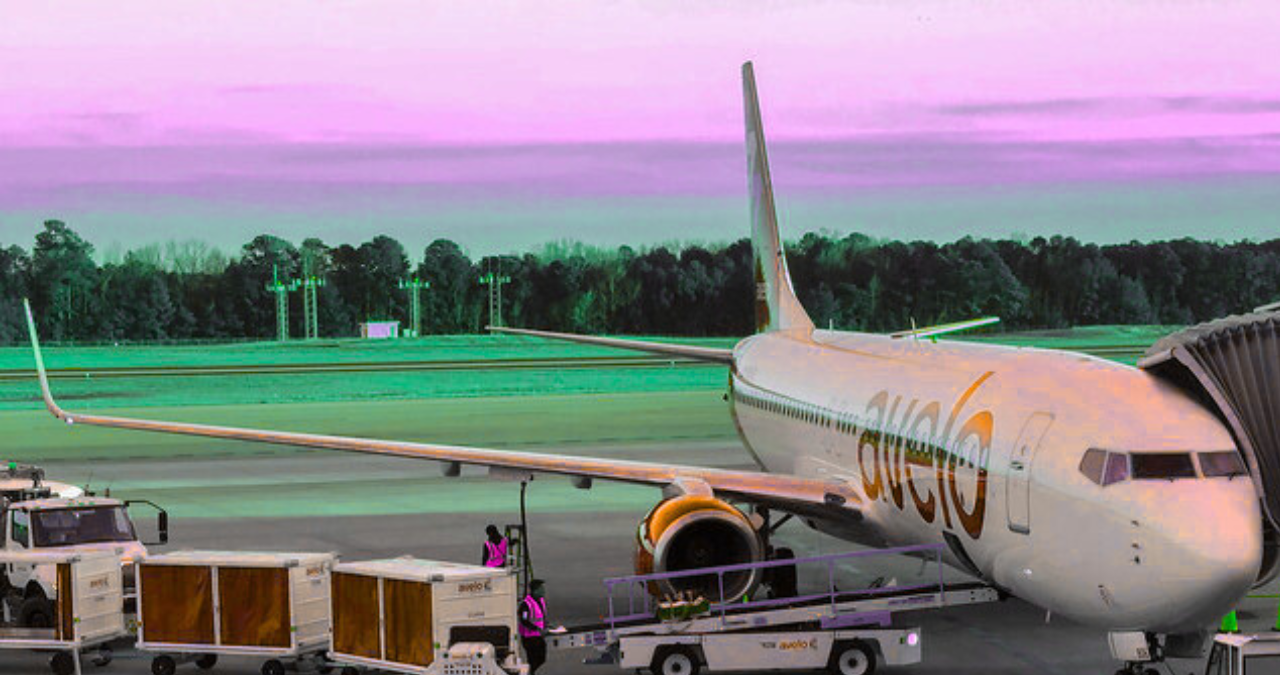
Avelo Airlines has actually managed to create a strong safety reputation since its debut. With no crash in its history, the airline’s record is not just clean it’s commendable. Their aircraft maintenance procedures, pilot training standards, and operational transparency have all played key roles in keeping that record spotless.
Why The Phrase Avelo Airlines Crash Exists Online
If you’ve seen articles or social media posts that mention “Avelo Airlines crash,” it’s important to recognize what’s really happening: search optimization. Writers, bloggers, and curious travelers often use that phrase not because a crash occurred, but because it’s a keyword that attracts attention.
In digital marketing and SEO, people use high-interest terms to gain visibility. “Avelo Airlines crash” happens to be one of them. It’s not misinformation by design it’s more about online behavior. People want reassurance, and they type phrases like “Avelo Airlines crash” to check whether it’s safe to fly with the company. Once they find out there has been no crash, they feel more confident booking their ticket.
This pattern of search behavior has actually helped build Avelo’s reputation in a roundabout way. Each time someone searches for “Avelo Airlines crash,” they find articles emphasizing the airline’s safety. It’s a reminder that in the age of algorithms, perception can be shaped by curiosity.
The Safety Standards That Prevent An Avelo Airlines Crash
Behind every safe airline is a detailed web of protocols, inspections, and safety measures and Avelo Airlines is no exception. The company follows strict FAA regulations and adheres to maintenance routines that ensure its fleet remains in top condition.
The airline’s operations team prioritizes proactive safety rather than reactive measures. Every aircraft undergoes continuous inspection cycles, engine performance checks, and avionics testing. In the unlikely event of even a minor irregularity, the plane is grounded and serviced before returning to operation.
Pilot training is another major strength of Avelo. The airline hires professionals with proven flight hours and provides ongoing simulator-based training to ensure preparedness for every situation from weather turbulence to emergency scenarios. That level of attention makes the keyword “Avelo Airlines crash” almost ironic the airline’s safety culture is one of the most proactive in the low-cost carrier segment.
Understanding Public Perception Of The Avelo Airlines Crash Keyword
When travelers see the phrase “Avelo Airlines crash,” their initial thought might be concern. But perception and reality often differ dramatically in aviation. Public perception is influenced by news, social media, and the occasional viral headline. Unfortunately, the aviation industry’s history where major crashes of unrelated airlines have made global headlines causes travelers to generalize fear across all carriers.
Avelo’s challenge, therefore, isn’t safety itself, but perception management. The company actively communicates transparency, from sharing operational updates to publishing safety statistics. That communication builds trust. By the time most travelers finish their research, they realize “Avelo Airlines crash” is a term with no factual backing just digital noise around an airline that’s doing its job well.
The Psychology Behind Searching For Avelo Airlines Crash
Humans are naturally curious, especially when it comes to risk. The keyword “Avelo Airlines crash” plays directly into that curiosity. It’s not about expecting a negative event it’s about reassurance. People want confirmation that nothing bad has happened.
Aviation psychology studies have shown that people tend to overestimate the risks of flying while underestimating other daily risks like driving. So when someone searches for “Avelo Airlines crash,” it’s their way of managing anxiety. The irony is, air travel remains statistically the safest mode of transport.
Avelo Airlines benefits from this pattern because, once travelers see the truth that the airline has never experienced a crash their confidence in booking grows stronger.
Media Influence On The Avelo Airlines Crash Keyword
The digital era has turned keywords into narratives. Even if a word combination like “Avelo Airlines crash” is based on curiosity rather than fact, it still spreads fast. Media outlets and blogs understand that high-interest topics generate clicks, so they often use the phrase to attract readers before explaining that no such event has occurred.
This can be both a challenge and an opportunity for Avelo. On one hand, it means the airline’s brand gets linked with the term “crash,” which can sound alarming to uninformed audiences. On the other hand, each clarification reinforces Avelo’s spotless record and commitment to safety.
In this way, the airline has learned to navigate digital storytelling effectively letting facts speak louder than rumors.
The Real Avelo Airlines Crash Story – A Story Of Prevention
If there’s any “Avelo Airlines crash” story to tell, it’s the story of prevention. The airline invests in a preventive safety culture, where potential issues are resolved before they ever become problems. That’s what defines modern aviation excellence.
Every safe landing is the result of countless decisions, inspections, and practices executed with precision. From mechanics on the ground to pilots in the cockpit, every part of Avelo’s ecosystem is designed to avoid the very scenario that the “Avelo Airlines crash” keyword implies.
So, while there’s no actual crash to report, there’s an inspiring story of how vigilance, technology, and teamwork create a flawless record worth celebrating.
The Role Of Technology In Avoiding An Avelo Airlines Crash
Modern aviation is powered by data. Avelo Airlines uses state-of-the-art technology to monitor every aspect of its fleet. Predictive maintenance tools, real-time analytics, and AI-assisted diagnostics help engineers spot potential issues early.
This proactive approach has redefined airline safety. Instead of reacting to problems, Avelo identifies patterns that could indicate a mechanical concern long before it becomes a risk. Combined with human expertise, this technology ensures reliability across every route.
In other words, the “Avelo Airlines crash” narrative gets rewritten every day replaced by a story of continuous monitoring, precision, and commitment to safety.