

Painting Vinyl Siding Pros and Cons. this Vinyl siding has become a popular exterior choice for homeowners who want a clean, durable, and low-maintenance finish on their homes. However, over time, tastes change, colors fade, and homeowners begin to wonder if they can breathe new life into their exterior by painting it. That’s when the conversation about painting vinyl siding pros and cons begins.
Many people believe vinyl siding can’t or shouldn’t be painted, but that’s not entirely true. Advances in paint technology have changed the game. Painting vinyl siding is possible, and it can look amazing but it also comes with a set of risks and maintenance considerations that every homeowner should weigh carefully before picking up a paintbrush.
Whether you’re trying to modernize an older home or simply restore a faded exterior, understanding both sides of the painting vinyl siding pros and cons helps you make an informed decision. Done correctly, it can boost curb appeal and save money. Done incorrectly, it can lead to peeling, warping, or costly repairs.
Let’s explore this topic in depth to find out whether painting your vinyl siding is the right move for your home.
Understanding Vinyl Siding and Its Nature
Before diving into the details of painting vinyl siding pros and cons, it’s important to understand what vinyl siding really is. Vinyl siding is made from a type of plastic called polyvinyl chloride, or PVC. This material is engineered to be tough, weather-resistant, and long-lasting without needing frequent maintenance. That’s part of what makes it such a popular choice across the United States and other regions with varying climates.
However, vinyl siding isn’t designed to hold paint naturally. Its surface is slick and nonporous, which means paint doesn’t grip it as easily as it would wood or fiber cement. Manufacturers often apply color directly to the vinyl during production, which helps it resist fading for years. When you paint over it, you’re essentially layering new color onto a material that wasn’t meant to absorb paint in the first place and that’s where both the advantages and disadvantages begin to appear.
Another key point about vinyl siding is that it expands and contracts with temperature changes. On a hot day, the siding can stretch slightly, while in cold weather, it contracts. This movement is completely normal, but when you add paint, that flexibility becomes a challenge. Some paints crack or peel when the siding shifts, especially if the wrong type of paint was used. That’s why choosing the right product and application method is essential if you’re considering painting vinyl siding.
Why Homeowners Consider Painting Vinyl Siding
The discussion about painting vinyl siding pros and cons often begins with the desire for change. Many homeowners look at their house and feel that the color no longer represents their style or fits in with neighborhood trends. Replacing the siding entirely is expensive, so painting becomes an attractive, budget-friendly alternative.
A fresh coat of paint can completely transform a home’s appearance. If your siding is structurally sound but looks dull or faded, painting it can make it look brand new again. It’s especially appealing to homeowners who enjoy customizing their homes and want to stand out with a unique color choice.
In addition to aesthetic reasons, there are practical motivations too. Painting vinyl siding can extend its lifespan when done properly. The paint can act as a protective layer against UV rays, which helps slow down fading. It can also provide an extra barrier against moisture and pollutants, keeping the siding cleaner for longer.
However, not everyone chooses painting just for beauty or protection. Some homeowners paint their vinyl siding before selling their property. A well-executed paint job can increase curb appeal and make the house more appealing to potential buyers. In competitive real estate markets, that visual upgrade can be a deciding factor.
Of course, while these benefits are appealing, they don’t tell the whole story. To truly understand whether this decision makes sense, we need to dive deeper into the pros and cons of painting vinyl siding because there’s much more beneath the surface.
Major Advantages of Painting Vinyl Siding
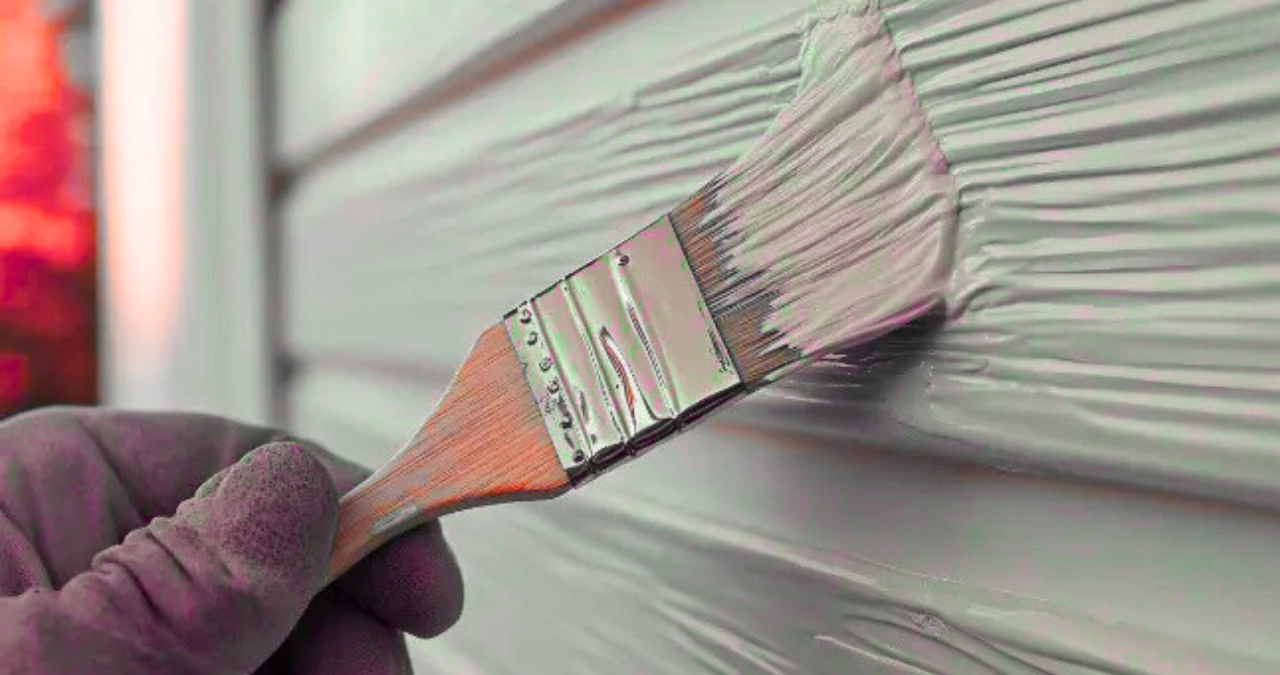
When evaluating painting vinyl siding pros and cons, the benefits often stand out first because they’re immediate and visible. One of the biggest advantages is cost savings. Replacing vinyl siding can be incredibly expensive, often costing tens of thousands of dollars depending on the size of your home. Painting, on the other hand, usually costs a fraction of that amount even if you hire professionals.
Another benefit is the opportunity to update your home’s look without the disruption of major construction. Painting vinyl siding can be completed in just a few days, and the results can be stunning. Whether you prefer modern neutrals, bold contrasts, or soft earth tones, the range of exterior paint colors available today is extensive. Many brands now offer paints specifically formulated for vinyl siding, which improves adhesion and flexibility.
Beyond aesthetics and cost, painting can also provide additional protection. High-quality exterior paints contain UV blockers that reduce fading caused by sunlight exposure. This is especially useful for homes located in sunny or coastal areas. Some homeowners also report that painted siding feels slightly cooler, as reflective paints can reduce heat absorption.
Lastly, painting your vinyl siding allows for personalization and creativity. You can coordinate the exterior with your landscaping, shutters, or front door for a cohesive design. This flexibility can make your home feel fresh and modern again something that simple power washing can’t achieve.
However, while these benefits are tempting, every homeowner should also recognize the possible drawbacks before taking the leap.
The Downsides You Need to Know
Here’s where the balance between painting vinyl siding pros and cons starts to shift. The truth is, painting vinyl siding isn’t always a perfect solution and if done poorly, it can create more problems than it solves.
The first major concern is durability. Painted vinyl siding generally doesn’t last as long as factory-finished siding. Over time, even the best exterior paints begin to peel or chip, especially in areas exposed to harsh weather. If the surface wasn’t properly cleaned or primed before painting, the paint might not adhere well, leading to visible flaws within a couple of years.
Another issue is color choice. Vinyl siding expands and contracts with temperature, as mentioned earlier, and darker colors absorb more heat. If you paint your siding a dark shade, it can absorb too much sunlight and cause the panels to warp or buckle. That’s why experts recommend using only colors that are lighter than or similar to the original factory shade.
Maintenance is another factor that falls on the “con” side. Painted siding requires more upkeep than unpainted vinyl. You may need to repaint every five to seven years to keep it looking fresh, depending on your climate and the quality of the paint used. Additionally, if you ever decide to change colors again, you’ll need to repaint rather than replace and the more layers you add, the more likely the finish is to crack over time.


