

Hay and grass seed play a central role in the world of farming, homesteading, small-scale gardening, and pasture management, yet most people rarely think about how deeply these two essentials influence soil health, livestock care, and land productivity. When you hear people talk about hay and grass seed, it might sound like simple supplies, but experts know they are the backbone of sustainable land systems. Hay and grass seed shape the success of livestock operations, regenerate depleted soil, help restore damaged pasture, and create lush lawns or forage systems that thrive for years. Because these materials directly connect the soil, animals, and environment, they hold incredible importance for anyone working with the land.
What makes hay and grass seed so interesting is the way they complement each other. Hay becomes the harvested result of well-managed grasses, while grass seed is the beginning of every productive field. You could say hay is the present and grass seed is the future, and both matter equally. Whether you are keeping backyard animals, managing a large farm, or trying to develop a green landscape, the relationship between hay and grass seed is something worth understanding. When chosen carefully and used correctly, hay and grass seed can dramatically transform the look, health, and long-term value of any land.
Understanding The Role Of Hay In Land And Animal Systems
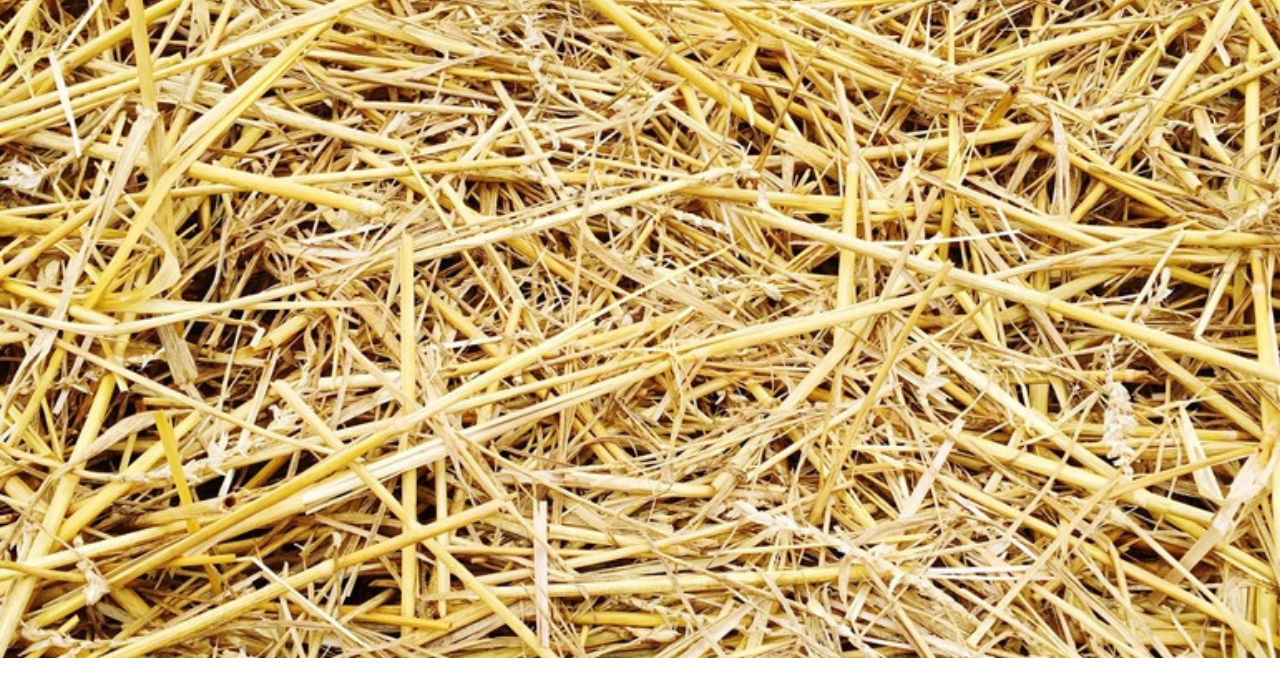
Hay remains one of the most valuable agricultural products because of how essential it is to livestock nourishment. When the growing seasons slow down, hay becomes the lifeline for horses, goats, cattle, sheep, and other grazing animals. People sometimes assume hay is simply dried grass, but any experienced farmer or forage specialist will tell you that hay is far more complex. It can be made from a diverse mixture of legumes, native grasses, orchard types, meadow mixtures, and other forage plants. The nutritional profile shifts dramatically from one type of hay to another, so knowing what you are feeding your animals is vital. Because of this, hay and grass seed decisions link closely, since what you plant directly affects what ends up in the bale.
Something many beginners overlook is the connection between hay quality and soil management. The healthier the soil, the richer the forage. The richer the forage, the higher the hay quality. It is a full-circle system that begins with grass seed selection, continues with plant growth, and ends with hay production. Hay influences not only animal health but also the economic value of a farm. Well-managed hay fields can last many seasons and generate consistent income when harvested correctly. That is why experts emphasize that hay and grass seed must be treated as strategic components of land stewardship rather than simple commodities.
Why Grass Seed Matters More Than Most People Realize
Grass seed seems small, but its impact is enormous. Every pasture, hayfield, lawn, and grazing system starts with tiny seeds that shape the productivity and appearance of the land for many years. Choosing the right grass seed helps prevent erosion, improve soil structure, feed animals, suppress unwanted weeds, and support long-term pasture resilience. Whenever you are planning a new grazing field or refreshing an old one, the grass seed you choose becomes the foundation of everything that will grow. It is no exaggeration to say that hay and grass seed together determine the success of many agricultural landscapes.
Experts often compare grass seed selection to picking the perfect recipe for your long-term goals. Different grasses thrive in different climates, offer varied nutritional levels, tolerate drought at different strengths, and respond differently to heavy grazing. If your goal is to produce high-nutrition hay, you’ll choose a different seed blend than someone building a pet pasture or ornamental lawn. Because each type of seed impacts both soil and animal nutrition, every decision you make in the seed selection stage continues all the way through the life of the field. Grass seed is the blueprint that determines whether your hay and grass seed system will succeed or struggle.
The Relationship Between Hay And Grass Seed In Sustainable Farming
The bond between hay and grass seed often goes unnoticed, but the truth is that they influence each other at every step of the agricultural cycle. Grass seed builds the pasture, the pasture becomes forage, and forage becomes hay. When hay is fed to animals, their grazing routine shapes how the next round of grass seed performs. In sustainable farming, this cycle is deeply intentional. Farmers manage hayfields differently depending on whether the goal is long-term soil health, higher forage protein, weed suppression, or climate resilience. Understanding hay and grass seed helps create a more stable and productive environment where each part supports the next.
One example of sustainability in action is rotational grazing, where animals move across different areas so that plants can recover. The recovery period encourages healthier root systems, thicker density, and improved seed spread. Hayfields and pasture fields benefit tremendously from this, and animals get a steady supply of nutrition. Likewise, when hay is harvested responsibly, and fields are reseeded with high-quality grass seed, the result is a renewable resource that can be produced year after year. This healthy loop between hay and grass seed is one of the most reliable ways to maintain a productive farm without exhausting the land.
How Hay And Grass Seed Shape Animal Health
Animal health relies heavily on the quality of the forage they consume, and hay often becomes their primary food source during dormant seasons. What many people do not realize is that hay not only fills the stomach but also influences digestion, weight management, coat shine, reproductive performance, and overall energy levels. For this reason, understanding hay and grass seed is essential for anyone caring for livestock. When you grow nutritious forage from carefully selected grass seed, you are nurturing animals from the ground up. This means that planting decisions you make months or years earlier directly shape the wellness of your herd today.
Another important factor is the moisture and storage quality of hay. Even premium grass seed will not create quality hay if the cutting, drying, baling, and storage stages are mismanaged. Animals can suffer from respiratory irritation, mold exposure, or nutrient deficiencies when the hay is low-grade. Farmers who understand the full relationship between hay and grass seed know how to monitor moisture, check leaf retention, observe stem texture, and track color changes that signal freshness. By taking hay quality seriously, you create a stable nutrition plan for your animals and reduce the need for expensive supplements or treatments.
Soil Health And Its Connection To Hay And Grass Seed
Soil is the foundation of all plant growth, and the health of the soil directly affects hay quality and grass seed performance. When soil lacks structure, drainage, nutrients, or biological activity, both hayfields and pastures suffer. Farmers who understand hay and grass seed know that soil testing and management must be routine practices. The best forage grows from soil that contains balanced organic matter, healthy microbes, and the right texture for root expansion. Hay thrives when the soil remains soft yet stable, moist yet well-drained, and full of natural fertility from compost, manure, or mineral amendments.
Grass seed also depends on soil conditions to germinate and establish properly. Too often, people spread seed on compacted, low-nutrient, or poorly drained soil and wonder why growth is patchy or weak. The seed itself may be high-quality, but the soil environment must support it. To optimize hay and grass seed systems, you must consider pH balance, aeration, water distribution, and organic matter levels. When soil is healthy, grass seed develops stronger root systems, which leads to thicker fields, richer forage, and premium hay. Over the long term, improving soil health also reduces weed pressure and minimizes the need for repeated fertilizer applications.
Choosing The Right Hay For Different Animals And Needs
Not all hay is the same, and choosing the right type requires an understanding of your animals’ specific nutritional needs. Horses, for example, often thrive on softer, leafy hay with controlled sugar levels, while cattle may benefit more from richer, bulkier forage. Goats often prefer a blend of grasses and legumes that provide energy, fiber, and essential minerals. Experts who specialize in hay and grass seed emphasize that hay selection must be intentional, not random. A mismatch between hay and animal needs can lead to digestive trouble, weight issues, or lack of energy.
Different hay varieties arise from different grass seed types, and that is why understanding seed selection is essential, even if you are not the one planting the field. Orchard varieties create soft, palatable hay, while meadow mixes create textured forage packed with nutrients. Legume-based hay offers high protein levels that support growth and lactation. When selecting hay, farmers evaluate stem length, leafiness, aroma, softness, color, and moisture content. A deep understanding of hay and grass seed allows you to match the right forage to the right animals, creating a healthier and happier livestock environment.
Selecting Grass Seed Types For Various Land Goals
Grass seed selection depends heavily on climate, soil type, moisture availability, and intended usage. Some grasses handle cold temperatures, while others thrive in warmer regions. Some grow slowly but densely, while others spread rapidly and tolerate heavy grazing. Experts evaluate everything from drought tolerance to disease resistance when choosing the ideal mix. Understanding hay and grass seed can help you build a pasture or lawn that stays green, productive, and low-maintenance throughout the year.
You may also decide between cool-season and warm-season varieties, depending on the temperature patterns in your region. Cool-season grasses provide lush growth in early or late seasons, while warm-season types thrive during hot weather. Many farmers use blends to get the benefits of both. Seed selection affects how your land looks, how your animals eat, and how your long-term hay production performs. Quality grass seed lays the foundation for every successful forage system, and expert planning makes sure the field stays strong even when weather challenges arise.
When And How To Plant Grass Seed For The Best Results
Timing plays a major role in how grass seed establishes. The ideal season for planting depends on your climate and the type of grass you are using. Cool-season varieties often perform best during mild weather conditions, while warm-season grasses need steady warmth to germinate well. Regardless of the type, soil preparation must be thoughtful. A smooth, debris-free seedbed improves seed-to-soil contact, which leads to stronger germination rates. Many farmers lightly rake or roll the soil to ensure the seeds settle properly.
Moisture management is equally important. Grass seed needs consistent dampness, especially during early germination, but too much water can suffocate it. Experts in hay and grass seed recommend gentle watering cycles that keep the soil moist but not saturated. Once seedlings appear, it’s important to protect them from heavy grazing or traffic until the plants develop strong roots. When grass seed establishes properly, the result is a strong, productive field that supports quality hay production for many seasons.
Hay Storage And Its Influence On Quality
Even the best hay can lose its nutritional value or become unsafe if stored improperly. Storage affects color, texture, moisture stability, and overall safety. If hay is stacked in a poorly ventilated area, trapped moisture can lead to mold growth or nutrient loss. Farmers must consider air circulation, dryness, and stacking strategies to preserve quality. Hay usually performs best when stored in covered, elevated, and well-ventilated spaces that shield bales from the elements.
Rodent prevention is another key factor. Small animals can burrow into hay piles and contaminate them with droppings, urine, or nesting material. Proper storage practices keep hay fresh, clean, and nutrient-rich. Experts emphasize that hay and grass seed work best when the entire system—from seed selection to storage—is handled with care. Good storage ensures that the hay maintains its aroma, color, and nutrition until it is fed to animals, improving both efficiency and animal health outcomes.
Improving Land With Hay And Grass Seed Over Time
Hay and grass seed can be used as tools not just for feeding animals but also for rebuilding land. Spreading hay can help control erosion, and overseeding with grass seed can revive tired or damaged fields. Even gardeners use hay as mulch because it retains moisture, suppresses weeds, and adds organic matter to the soil over time. These natural materials offer sustainable ways to improve landscape health without relying on harsh chemicals.
When used strategically, hay and grass seed can transform barren areas into thriving ecosystems. Hay breaks down slowly and enriches the soil with nutrients, while grass seed produces ground cover that stabilizes the earth, prevents runoff, and supports beneficial insect populations. Over time, fields become stronger and more resilient, making them easier to maintain. This combination is one of the most cost-effective strategies for long-term land improvement.
Common Mistakes People Make With Hay And Grass Seed
One of the most common mistakes people make is assuming that any hay is good hay and that any seed will grow. Poor-quality hay can lead to health issues for animals, and low-quality seed can lead to patchy fields and wasted effort. Another mistake involves neglecting soil preparation. Without loose, nutrient-rich soil, grass seed struggles to develop the root system it needs. People often overlook the importance of moisture management as well. Too much or too little water can harm both hay storage and seed germination.
Improper seed spreading can also create problems. Uneven distribution leads to weed invasion and inconsistent growth. Experts on hay and grass seed encourage people to follow proper steps to avoid these issues and maximize productivity. Avoiding these mistakes keeps costs low and results high while creating healthier landscapes and stronger forage systems.
Final Thoughts On Using Hay And Grass Seed Effectively
Hay and grass seed are more than simple agricultural materials. They are the foundation of healthy land, healthy animals, and a sustainable farming system. When you understand the connection between what you plant, what you harvest, how you store it, and how your animals rely on it, you begin to see the importance of making informed decisions. Expert knowledge about hay and grass seed helps you build a complete system that supports your goals, whether you are caring for a small homestead or a large land operation.
When handled correctly, hay and grass seed create a cycle of productivity that grows stronger year after year. The choices you make today about seed blends, soil preparation, hay quality, grazing practices, and storage conditions shape the long-term success of your land. With thoughtful management, your fields become more fertile, your animals become healthier, and your entire system begins to flourish. Hay and grass seed remain two of the most powerful tools for anyone who wants thriving land and lasting agricultural success.


