

Angola Language. The phrase Angola language may sound simple at first, but it carries deep meaning, history, and cultural power. When people talk about the Angola language, they are not only referring to words and grammar. They are speaking about identity, survival, tradition, and modern life blending together uniquely. Language in Angola reflects centuries of movement, contact, struggle, and creativity, making it one of the most fascinating linguistic landscapes in Africa.
Understanding the Angola language requires stepping beyond a single definition. Angola is home to many languages that live side by side, shaping how people communicate in families, communities, cities, and rural areas. These languages influence daily life, music, storytelling, education, and even the way emotions are expressed. By exploring the Angolan language deeply, we gain insight into how Angolans see the world and how they connect across generations.
The Meaning of the Angola Language in Daily Life
When discussing the Angola language, it is important to understand that the language in Angola is woven into everyday experiences. From greetings exchanged in the morning to conversations at markets and family gatherings, language is a bridge between people. Many Angolans grow up speaking more than one language, moving naturally between them depending on context, audience, and emotion.
Angola language use often reflects respect and belonging. Speaking a local language can show closeness, trust, and shared roots, while Portuguese is commonly used for formal settings, education, and national communication. This balance allows people to honor tradition while participating in modern society. Angola’s language is not fixed or rigid; it is flexible, expressive, and deeply human.
Portuguese as a Central Angola Language
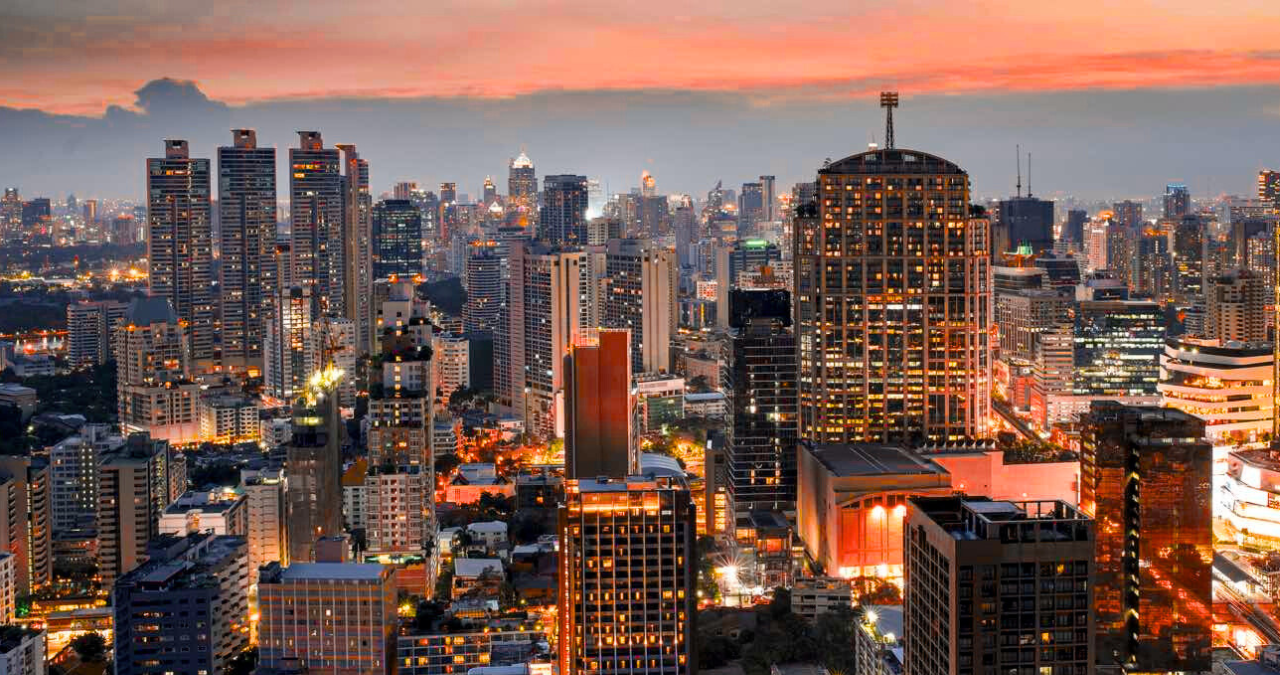
Portuguese plays a central role in the Angolan language landscape. It is the official language and serves as a unifying tool across regions with different local tongues. In cities, Portuguese is often the main language used at work, in schools, and in the media. It helps people from different ethnic backgrounds communicate smoothly with one another.
However, Portuguese in Angola has developed its own rhythm and flavor. Influenced by local languages, Angolan Portuguese includes unique expressions, pronunciation styles, and cultural references. This localized form of Portuguese is a strong example of how the Angolan language adapts and evolves rather than simply copying an external model. It reflects Angolan identity just as much as indigenous languages do.
Indigenous Languages and the Heart of Angola Language
At the heart of the Angola language are the indigenous languages spoken across the country. These languages carry ancestral knowledge, oral history, and cultural values that have been passed down through generations. They are often used at home, in villages, and during traditional ceremonies, keeping cultural heritage alive.
Languages such as Kimbundu, Umbundu, Kikongo, Chokwe, and many others form the backbone of Angola’s language diversity. Each one has its own structure, sounds, and storytelling traditions. Together, they create a rich linguistic tapestry that reflects the diversity of Angola’s people. Preserving these languages is essential for maintaining cultural continuity and community identity.
Multilingualism as a Feature of the Angolan Language
One of the most remarkable aspects of the Angola language is multilingualism. Many Angolans are comfortable switching between languages depending on who they are speaking to and where they are. This ability is not seen as unusual but rather as a normal part of life.
Multilingualism strengthens social bonds and allows people to navigate different cultural spaces with ease. In urban areas, a conversation might begin in Portuguese and shift into a local language to express humor or emotion more clearly. This dynamic use of Angola language shows how communication is shaped by context, relationships, and shared understanding.
Angola Language and Cultural Expression
The Angola language is deeply connected to cultural expression. Music, dance, poetry, and storytelling all rely on language to convey meaning and emotion. Traditional songs often use indigenous languages to preserve rhythm and cultural symbolism, while modern music may mix Portuguese with local languages for creative effect.
Storytelling is another powerful example of the Angola language in action. Elders share stories that teach moral lessons, explain natural phenomena, or recount historical events. These stories rely on specific words, metaphors, and expressions that are difficult to translate fully into other languages. Through storytelling, the Angola language becomes a living archive of cultural memory.
Language and Identity in Angola
Language plays a major role in shaping identity, and this is especially true when discussing the Angolan language. Speaking a particular language can signal where someone comes from, their family background, and their cultural roots. It can also influence how a person sees themselves and their place in society.
For many Angolans, maintaining their local language is a way of honoring ancestors and preserving identity. At the same time, using Portuguese allows participation in national and global conversations. This dual identity is not a conflict but a balance. The Angola language allows people to belong to their community while also engaging with the wider world.
Angola Language in Education
Education is a key area where the Angola language plays an important role. Portuguese is the primary language of instruction in schools, which helps standardize learning across the country. It provides access to textbooks, exams, and higher education opportunities.
However, there is growing recognition of the value of indigenous languages in early education. Children often learn best when instruction begins in the language they speak at home. Incorporating local languages into education can improve understanding, confidence, and cultural pride. This approach highlights how the Angolan language can support both learning and identity development.
Urban and Rural Differences in the Angolan Language
Angola language use can vary significantly between urban and rural areas. In cities, Portuguese tends to dominate daily communication, especially among younger generations. Exposure to media, technology, and diverse populations encourages widespread use of Portuguese mixed with local influences.
In rural areas, indigenous languages are often more prominent. Communities may rely heavily on their traditional language for communication, ceremonies, and daily activities. This contrast does not mean that one form of the Angola language is stronger than another. Instead, it shows how language adapts to environment, lifestyle, and social structure.
Angola Language and Media
The media plays a powerful role in shaping and spreading the Angola language. Radio, television, music, and online platforms all contribute to how language is used and perceived. Portuguese dominates the national media, helping create a shared understanding across regions.
At the same time, local language programs on radio and community television help preserve and promote indigenous languages. These platforms give voice to local stories, concerns, and humor. Through media, the Angola language continues to evolve, blending tradition with modern forms of expression.
The Influence of History on Angolan Language
The history of Angola has had a profound impact on the Angola language. Centuries of contact with other cultures, including European influence, shaped the linguistic landscape. Portuguese became deeply rooted during colonial times, while indigenous languages survived through community resilience and cultural strength.
Post-independence, language became a symbol of unity and rebuilding. Portuguese helped connect diverse groups, while local languages reminded people of their shared heritage. This historical journey shows how the Angola language reflects both struggle and strength, adapting to change while preserving core identity.
Angola Language and Social Relationships
Language influences how people relate to one another, and the Angolan language is no exception. The choice of language can express respect, familiarity, or authority. Speaking a local language to elders can show honor, while Portuguese may be used in formal or professional settings.
This flexibility allows Angolans to navigate social relationships smoothly. Understanding when and how to use different forms of the Angola language is an important social skill. It reflects emotional intelligence and cultural awareness, reinforcing bonds within families and communities.
Angola Language in the Modern World
In the modern world, the Angola language continues to evolve. Urbanization, globalization, and technology influence how people speak and write. New words, expressions, and styles emerge, especially among younger generations who blend traditional language with contemporary influences.
Social media has become a space where Angolan language creativity thrives. People experiment with slang, humor, and storytelling, often mixing languages in innovative ways. This shows that the Angola language is not static but alive, constantly responding to new realities and forms of communication.
Preserving the Angola Language for the Future
Preservation_attach is not needed; talk. Preserving the Angola language is an important goal for many communities and cultural organizations. Indigenous languages carry knowledge that cannot be replaced once lost. Efforts to document, teach, and celebrate these languages help ensure they remain part of Angola’s future.
Cultural festivals, language workshops, and community programs play a role in keeping the Angola language alive. When younger generations see value and pride in their linguistic heritage, they are more likely to continue using and protecting it. Preservation is not about resisting change but about honoring roots while embracing growth.
Angola Language and National Unity
Despite its diversity, the Angola language contributes to national unity. Portuguese provides a common platform for communication, governance, and education, while indigenous languages enrich cultural life. Together, they create a shared sense of belonging.
This unity does not erase differences but celebrates them. Angola’s language diversity shows that a nation can be strong precisely because of its many voices. Respecting and valuing all languages helps build understanding and social harmony across regions and communities.
The Emotional Power of the Angola Language
Language carries emotion, and the Angola language is deeply emotional. Certain feelings are best expressed in one’s mother tongue, where words carry personal memories and cultural meaning. Laughter, sorrow, love, and pride often feel more authentic when spoken in a familiar language.
This emotional connection explains why people hold tightly to their languages even in changing environments. The Angola language is not just a tool for communication but a source of comfort and identity. It connects people to home, family, and shared experiences.
Angola Language in Art and Literature
Art and literature provide another window into the Angola language. Writers and poets often choose language carefully to capture mood, rhythm, and cultural nuance. Some works are written entirely in Portuguese, while others incorporate indigenous languages to add depth and authenticity.
These creative expressions show how the Angola language inspires imagination and storytelling. Literature preserves voices from different regions and generations, allowing readers to experience the richness of Angolan life through language. Art becomes a bridge between tradition and innovation.
Challenges Facing Angola’s Language Diversity
Despite its richness, Angola’s language diversity faces challenges. Urbanization and the dominance of Portuguese can sometimes lead to reduced use of indigenous languages, especially among younger people. When a language is not used daily, it risks fading over time.
Addressing these challenges requires awareness and effort. Supporting bilingual education, encouraging cultural pride, and creating spaces for local language use can make a difference. Protecting Angola’s language diversity means recognizing its value not only culturally but also socially and intellectually.
The Future of the Angola Language
The future of the Angola language is shaped by the choices people make today. As Angola continues to develop, language will remain a key part of its identity. Balancing modernization with cultural preservation is an ongoing process that requires respect and creativity.
Young Angolans play a crucial role in this future. By embracing both Portuguese and indigenous languages, they can carry forward a linguistic heritage that is flexible, inclusive, and strong. Angola’s language will continue to evolve, reflecting the nation’s journey and aspirations.
Why Angola’s Language Matters to the World
Angola’s language matters beyond national borders. It offers insight into how languages interact, adapt, and survive in complex social environments. Linguists, educators, and cultural enthusiasts can learn much from Angola’s multilingual reality.
More importantly, the Angola language reminds the world that diversity is a strength. Each language adds a unique perspective, enriching human communication as a whole. By valuing the Angola language, we celebrate the voices and stories of a nation that speaks in many ways yet shares a common heart.
Final Thoughts on the Angola Language
Exploring the Angola language reveals a story of resilience, creativity, and connection. From indigenous tongues rooted in ancient traditions to a localized form of Portuguese that unites the nation, language in Angola reflects the soul of its people.
Angola’s language is not just about speaking; it is about belonging, remembering, and imagining the future. As long as people continue to speak, teach, and cherish their languages, the voice of Angola will remain strong, diverse, and full of life.


