

Charter Bus Accident. This A charter bus accident is one of those events that instantly grabs attention because it affects many people at once and often happens during moments meant for comfort, travel, or celebration. When passengers board a charter bus, they usually expect a smooth journey, professional driving, and a level of safety that allows them to relax. A charter bus accident disrupts that expectation dramatically, turning an ordinary trip into a stressful and sometimes life-changing experience. This topic deserves careful discussion because it touches on safety, responsibility, and recovery for everyone involved.
Understanding a charter bus accident goes beyond the headlines. It involves looking at how charter buses operate, what makes them different from other vehicles, and why certain risks exist despite safety regulations. From the perspective of passengers, families, operators, and even communities, a creates ripples that last far longer than the initial incident. Exploring this subject in depth helps readers understand the causes, consequences, and lessons that can be learned to reduce the chances of another charter bus accident in the future.
Understanding Charter Bus Travel and Safety
Charter bus travel is popular because it offers convenience, affordability, and group coordination. Schools, tour groups, corporate teams, and families often rely on charter buses to move large numbers of people efficiently. The design of a charter bus emphasizes comfort and capacity, which makes it an attractive option for long-distance travel. However, the same features that make charter buses appealing also introduce unique safety considerations that come into focus after a .
Safety in charter bus travel depends on multiple layers working together. These layers include driver training, vehicle maintenance, route planning, and company policies. When any of these layers fail, the risk of a increases. While many charter bus companies operate responsibly, the complexity of managing large vehicles on busy roads means that even small errors can lead to serious outcomes.
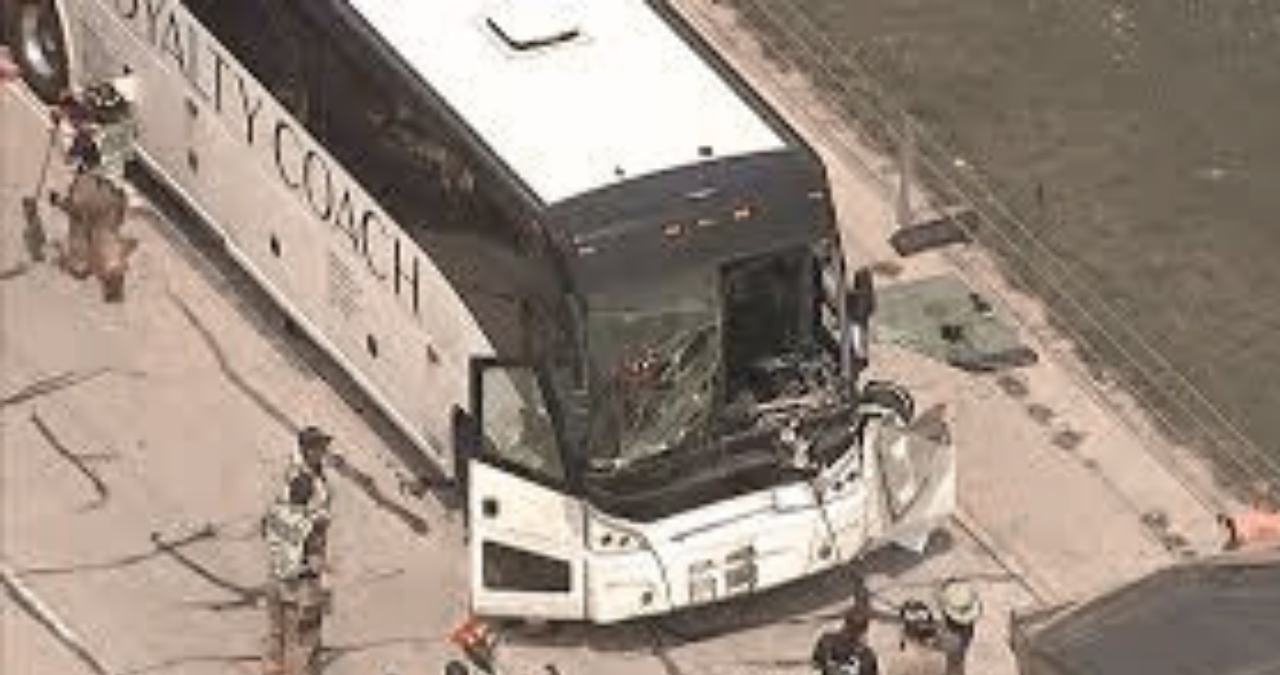
Common Causes Behind a Charter Bus Accident
A rarely happens because of a single factor. In most cases, it is the result of several contributing elements aligning in an unfortunate way. Driver fatigue is often discussed because long routes and tight schedules can push drivers beyond comfortable limits. When fatigue sets in, reaction time slows, and decision-making becomes less sharp, increasing the chance of a.
Another common cause of a charter bus accident is mechanical failure. Charter buses are complex machines with many moving parts, and regular maintenance is essential. When inspections are rushed or repairs are delayed, small mechanical issues can grow into serious hazards. Weather conditions, road design, and the behavior of other drivers also play a role, reminding us that a can be influenced by factors beyond the bus itself.
The Human Impact of a Charter Bus Accident
The human impact of a charter bus accident is profound and often underestimated. Passengers may suffer physical injuries that range from minor discomfort to severe trauma. Beyond physical harm, emotional distress is common. Survivors of a charter bus accident may experience anxiety about travel, sleep disturbances, or lingering fear that affects daily life.
Families of passengers are also deeply affected by a charter bus accident. Waiting for news, dealing with uncertainty, and supporting loved ones through recovery can be overwhelming. Even those who escape without injury may struggle emotionally after witnessing a charter bus accident. This human element is why discussions about prevention and response are so important.
Legal and Responsibility Aspects of a Charter Bus Accident
When a occurs, questions about responsibility naturally arise. Determining who is accountable can be complex because multiple parties may be involved. The bus driver, the charter company, maintenance providers, and even road authorities may all be examined. Each is unique, requiring careful investigation to understand what went wrong.
From a legal perspective, a often leads to claims related to injuries, property damage, and emotional distress. Passengers may seek compensation to cover medical care and other losses. For charter companies, a can result in financial strain and reputational damage. This legal dimension highlights why prevention and compliance with safety standards are essential in the charter bus industry.
Emergency Response After a Charter Bus Accident
The moments following a are critical. Emergency response teams play a vital role in minimizing harm and providing immediate care. Quick communication, effective coordination, and clear access to the accident site can make a significant difference in outcomes. A well-managed response can reduce the severity of injuries and support passengers during a frightening time.
Passengers and drivers also have a role in the immediate aftermath of a . Remaining calm, following instructions, and assisting others when safe to do so can help stabilize the situation. While training prepares drivers for emergencies, real-world conditions during acan be chaotic, making preparation and clear protocols essential.
Recovery and Rehabilitation Following a Charter Bus Accident
Recovery after a often takes time and patience. Physical rehabilitation may involve therapy, follow-up care, and lifestyle adjustments. Emotional recovery is equally important, as passengers may need support to process the experience. Counseling and community support can be valuable resources for those affected by a.
For charter bus companies, recovery involves reviewing policies, repairing or replacing vehicles, and rebuilding trust. A can serve as a turning point that prompts improvements in safety culture. When lessons are learned and applied, the long-term impact of a charter bus accident can include positive changes that benefit future passengers.
Preventive Measures to Reduce Charter Bus Accident Risk
Preventing a starts with commitment at every level of operation. Driver training programs that emphasize rest, awareness, and defensive driving are essential. When drivers feel supported and not pressured by unrealistic schedules, the likelihood of a decreases.
Maintenance practices also play a crucial role in prevention. Regular inspections, timely repairs, and transparent records help ensure that charter buses remain roadworthy. Route planning that accounts for road conditions and traffic patterns further reduces risk. Together, these measures create a safer environment and lower the chances of a .
The Role of Technology in Charter Bus Accident Prevention
Technology has become an important ally in reducing the risk of a . Modern charter buses may include advanced braking systems, stability controls, and monitoring tools that alert drivers to potential issues. These technologies support human decision-making and provide an extra layer of safety.
Monitoring systems that track driver behavior and vehicle performance can also help charter companies identify risks before they lead to a charter bus accident. When data is used responsibly, it can guide training and maintenance decisions. Technology alone cannot eliminate risk, but it can significantly reduce the likelihood of a charter bus accident when combined with good management.
Public Awareness and Education About Charter Bus Accident Safety
Public awareness plays a meaningful role in prevention. Passengers who understand basic safety practices, such as wearing seat belts when available and following driver instructions, contribute to overall safety. Education helps passengers feel empowered rather than helpless during travel.
Communities and organizations that frequently use charter buses can also promote safety by choosing reputable providers and asking questions about safety policies. When demand favors responsible operators, the industry as a whole benefits. Increased awareness can lead to fewer incidents and a reduced chance of a affecting travelers.
Media Coverage and Perception of a Charter Bus Accident
Media coverage shapes how the public perceives a charter bus accident. Headlines often focus on dramatic details, which can create fear or misunderstanding. While it is important to report facts, balanced coverage helps audiences understand context and avoid assumptions about all charter bus travel.
Responsible reporting can also highlight lessons learned from a charter bus accident. By focusing on prevention and improvement, media narratives can encourage positive change. When coverage goes beyond shock value, it contributes to informed discussions about charter bus safety and accountability.
Long-Term Industry Changes After a Charter Bus Accident
A significant can lead to lasting changes within the transportation industry. Regulatory reviews, updated safety guidelines, and revised training standards may follow. These changes aim to prevent similar incidents and improve overall safety for passengers.
Charter bus companies that respond proactively to a often emerge stronger. By investing in safety improvements and transparent communication, they rebuild trust with clients and communities. Over time, these efforts can elevate industry standards and reduce the frequency of charter bus accidents.
Emotional and Psychological Support After a Charter Bus Accident
Emotional recovery after a charter bus accident deserves as much attention as physical healing. Survivors may experience stress responses that affect work, relationships, and well-being. Access to mental health resources can make a meaningful difference in long-term recovery.
Support groups and counseling provide spaces for individuals to share experiences and coping strategies. Acknowledging the emotional impact of a charter bus accident helps reduce stigma and encourages healing. When emotional needs are addressed, recovery becomes more holistic and sustainable.
Lessons Learned From Past Charter Bus Accident Cases
Looking at past charter bus accident cases offers valuable insights. Patterns often emerge that point to common risks or overlooked issues. By studying these cases, industry professionals and policymakers can identify areas for improvement.
Lessons learned from a charter bus accident are most effective when they lead to action. Training updates, policy revisions, and infrastructure improvements are examples of positive outcomes. Each charter bus accident, while tragic, can contribute to safer travel when lessons are applied thoughtfully.
Community Impact of a Charter Bus Accident
The impact of a charter bus accident extends beyond passengers and operators. Communities may feel the effects through disrupted travel plans, emergency response demands, and emotional strain. Local resources are often mobilized to support those affected.
Community resilience is tested during a charter bus accident, but it can also shine through acts of support and cooperation. Neighbors, volunteers, and local organizations often come together to assist. This collective response highlights the importance of preparedness and compassion in the face of a charter bus accident.
Building a Safer Future After a Charter Bus Accident
Building a safer future means taking the lessons of a charter bus accident seriously. Continuous improvement, open communication, and shared responsibility are key elements. When passengers, operators, regulators, and communities work together, safety becomes a shared goal rather than an afterthought.
A charter bus accident is a powerful reminder of the importance of vigilance and care in transportation. By focusing on prevention, response, and recovery, the industry can move forward with greater confidence. The ultimate goal is to ensure that charter bus travel remains a safe and reliable option for everyone, reducing the likelihood of another charter bus accident and honoring the experiences of those affected.