

BTC Extended Mkts M. this Bitcoin has always been more than just a digital currency; it is a global phenomenon shaping financial markets, technology adoption, and investment strategies. The term BTC extended markets represents a unique perspective on Bitcoin, focusing on its behavior across extended markets and longer timeframes. Unlike traditional cycles, extended markets in Bitcoin highlight a shift toward prolonged accumulation, structural adoption, and sustained trading activity. By understanding BTC extended markets, investors and enthusiasts can grasp not only price movements but also the deeper trends that define Bitcoin’s evolving ecosystem.
The concept of BTC extended markets is rooted in both market dynamics and behavioral patterns. Bitcoin’s trading behavior is increasingly influenced by long-term holders, institutional flows, and regulatory frameworks. These extended market factors are shaping Bitcoin into a more mature and resilient asset, beyond the hype-driven volatility that characterized its early years. In essence, BTC extended mkts m is a lens through which we view Bitcoin as part of a broader financial system, where strategic accumulation and structural signals matter as much as daily price fluctuations.
Understanding Bitcoin in Extended Markets
Extended markets refer to trading environments that stretch beyond typical short-term cycles, often encompassing a wide range of participants, instruments, and time horizons. In the case of BTC, extended markets imply that Bitcoin is no longer confined to speculative daily trades. Instead, it is participating in broader cycles driven by institutional adoption, on-chain accumulation, and macroeconomic factors. Investors in these extended markets focus on long-term value creation, structural positioning, and strategic allocation rather than short-term gains.
Bitcoin’s 24/7 global trading infrastructure naturally supports extended market behavior. Exchanges and OTC platforms allow trading around the clock, enabling both retail and institutional participants to interact continuously. This continuous trading environment strengthens the concept of BTC extended markets by providing liquidity, facilitating strategic accumulation, and enabling deeper integration with financial instruments like futures, options, and ETFs. The result is a market where Bitcoin’s trajectory is shaped by a combination of immediate reactions and long-term strategic positioning.
Long-Term Holders and Market Dynamics
One of the defining characteristics of BTC extended markets is the increasing influence of long-term holders. On-chain data consistently shows that a significant portion of Bitcoin’s supply is being held for extended periods, often exceeding a year. This trend stabilizes the market, reduces volatility, and reinforces the idea that Bitcoin is entering a more mature and structural phase. Long-term holders act as anchors in the market, dampening short-term speculative fluctuations while creating sustained upward pressure as demand grows.
The behavior of long-term holders also impacts market psychology. Their presence signals confidence in Bitcoin’s long-term value, attracting institutional investors and corporations seeking strategic exposure. As these groups accumulate Bitcoin, the extended market effect intensifies, leading to more predictable cycles and a more resilient trading environment. This dynamic forms a core component of BTC extended markets, highlighting the interplay between participant behavior and market structure.
Institutional Participation and BTC Extended Mkts M
Institutional involvement is another cornerstone of BTC extended markets. Institutions, including hedge funds, asset managers, and corporations, are increasingly integrating Bitcoin into their portfolios. This participation adds significant liquidity, reduces market fragmentation, and supports more stable price trends. Institutional flows often align with macroeconomic cycles and regulatory clarity, which further extend market timelines and shift the focus from short-term speculation to strategic asset allocation.
Moreover, the introduction of regulated products, such as Bitcoin ETFs and futures, has created structured avenues for institutions to participate safely. These instruments allow participants to hedge risk, gain exposure without direct custody, and plan for multi-year cycles. Consequently, BTC extended markets encompass not only the underlying asset but also the broader ecosystem of financial instruments and regulatory frameworks that support long-term engagement with Bitcoin.
Volatility Moderation and Market Maturity
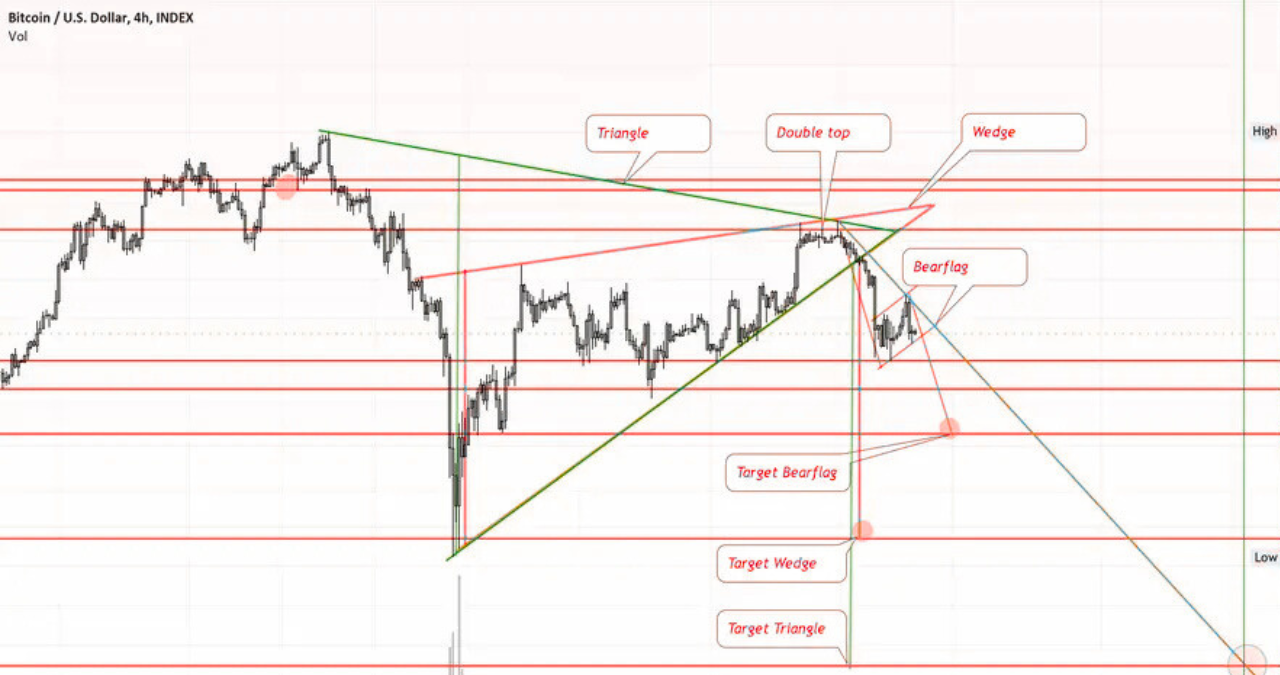
A notable feature of Bitcoin’s transition into BTC extended markets is the moderation of volatility. While Bitcoin remains inherently volatile, the influence of long-term holders and institutional participants reduces the likelihood of extreme short-term swings. This stabilization fosters a more predictable trading environment, attracting additional strategic investors and reinforcing the extended market trend.
The shift toward moderated volatility also signals market maturation. Early Bitcoin cycles were characterized by rapid boom-and-bust patterns driven predominantly by retail speculation. In contrast, BTC extended markets reflect a more balanced market where structural factors, such as supply immobilization, regulatory frameworks, and institutional accumulation, shape the trajectory. This evolution supports a broader adoption narrative and emphasizes long-term investment strategies over rapid speculation.
Macro and Regulatory Drivers
Macro and regulatory factors play a critical role in shaping BTC extended markets. Bitcoin’s performance is increasingly linked to global monetary policy, inflation expectations, and macroeconomic trends. Low-interest rates, quantitative easing, and geopolitical uncertainty can drive demand for Bitcoin as a non-sovereign store of value. Simultaneously, clear regulatory guidelines provide institutions with the confidence to participate, further extending the market horizon.
Regulatory clarity has enabled the growth of institutional Bitcoin products, including ETFs, custodial services, and corporate treasury allocations. These developments contribute to extended market cycles by creating a predictable framework for accumulation and strategic participation. By integrating macroeconomic signals and regulatory frameworks, BTC extended markets emphasizes a longer-term, more strategic perspective on Bitcoin trading and investment.


