

Ghana Ali’s husband is a phrase that has followed the actress through headlines, talk shows, timelines, and comment threads. Fans and critics alike type those words when they want to know who stands beside her away from the camera, what the marriage means for her career, and how private life and public life collide for a performer who prefers to be known for craft rather than gossip. In this piece, I will take you through the story around the phrase Ghana Ali’s husband in a calm, conversational, and informed way — unpacking what a public fact, what was a rumor, what the actress herself has said, and how culture and media shape the conversation about celebrity marriage. This is written in a straightforward expert voice but without the stiffness of an academic paper because the subject sits at the junction of human life and pop culture, and that deserves warmth as much as clarity.
At the heart of the phrase, Ghana Ali’s husband is an actual relationship that the actress has spoken about in interviews and on social media. Ghana Ali’s husband is not just a search term; it is shorthand for a chapter in her life that has affected how audiences see her and how she navigates the entertainment world. The actress has publicly acknowledged her partner and discussed the impact of marriage on her sense of safety, professional choices, and how people treat her. These accounts have appeared in mainstream outlets and in personal posts, and they provide a factual backbone to the conversation around Ghana Ali’s husband.
How the phrase Ghana Ali’s husband became part of the pop culture conversation
When an actress moves from being an alluring performer on screen to a whole person with relationships and responsibilities, the vocabulary around her changes. The phrase Ghana Ali’s husband emerged because people wanted a quick label for a complex reality. For many fans, the phrase is curiosity bundled into a few words. For tabloid columns, it was a headline hook. For the actress and her inner circle, it meant the private details of a life they had chosen to protect, balance, and, when appropriate, share.
One important reason the phrase stuck was the frankness with which Ghana Ali addressed the fallout from her marriage. Instead of letting internet commentary shape the narrative entirely, she used interviews and social posts to describe her experience, to explain why she made her choices, and to push back on reductive labels. That act of speaking up turned a rumor fodder phrase into something with a voice behind it — and that voice made the phrase Ghana Ali’s husband feel less like idle gossip and more like a slice of a person’s lived reality.
What is publicly known about Ghana Ali’s husband
Ghana’s husband is known to the public through the actress’s own statements and through reporting in established outlets. The most important thing to say up front is that the actress has confirmed her marriage publicly and has often described her spouse with affection and as a stabilizing force in her life. She has also addressed controversies that followed the union, explaining her side of events and the personal logic that led her to marry when she did. These direct accounts are the clearest guide to understanding who Ghana Ali’s husband is in relation to the actress.
Beyond confirmation, Ghana Ali’s husband features in public conversations about family life, parenting, and professional boundaries. The pair have shared moments that show the domestic side of celebrity life: announcements about children, photographs that mark milestones, and interviews in which Ghana speaks about the balance she seeks between motherhood, marriage, and her craft. These real glimpses make the phrase Ghana Ali’s husband more than a headline — they make it part of a living story that continues to evolve.
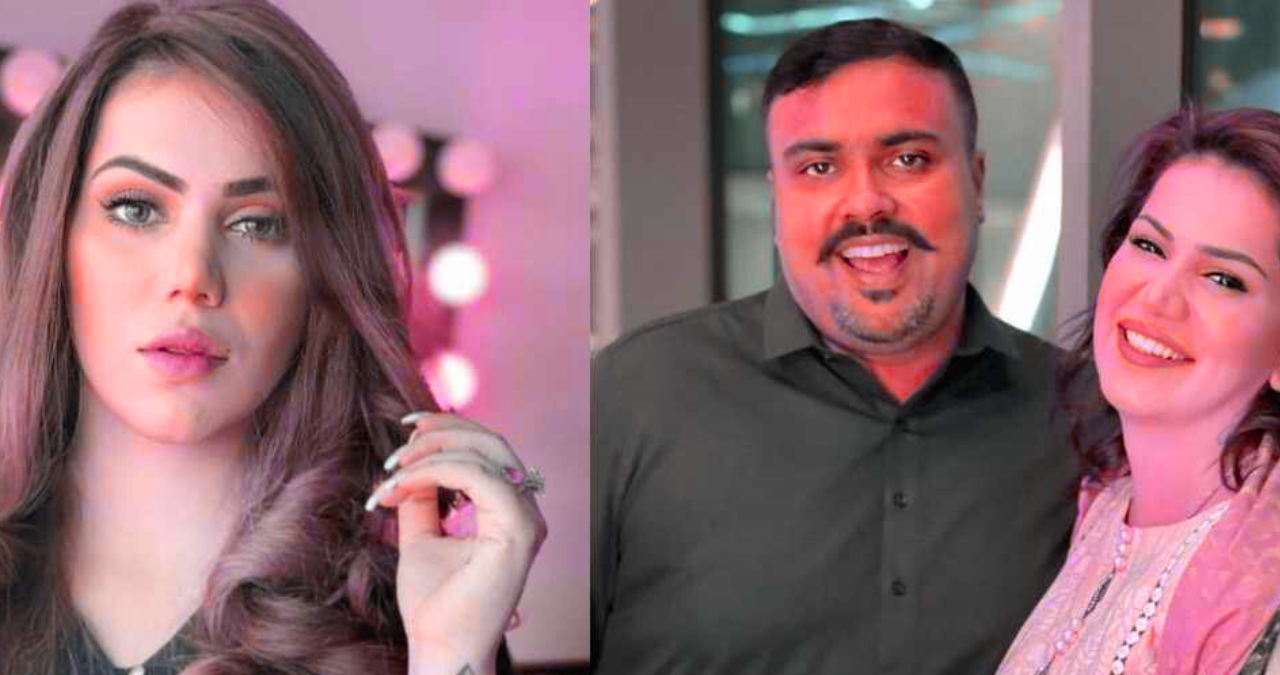
Addressing controversy: Why the words Ghana Ali’s husband angered some and comforted others
Few celebrity relationships escape controversy, and the phrase Ghana Ali’s husband at times carried more than neutral curiosity. Some critics accused the actress of crossing moral lines, which spawned an online debate about responsibility, agency, and the stories the media amplify. Ghana responded in measured ways — acknowledging the criticism, defending her choices, and reminding people that the complexities of private lives are rarely reducible to a single headline. Her willingness to speak candidly about pain, judgment, and forgiveness defused some of the heat and reframed the phrase into a conversation about resilience and context rather than simple blame.
At the same time, Ghana Ali’s husband became a comfort to many fans who saw in the actress’s words and demeanor a model of someone who pursued happiness on her terms and found companionship and safety. For those followers, the phrase symbolised a normal human desire for partnership, and they welcomed the actress’s decision to share parts of her life with them. That split reaction — criticism from some, empathy from others — shows how the same phrase can carry different valences in public life.
Ghana Ali’s husband in interviews: what the actress has said
When Ghana speaks about Ghana Ali’s husband, she tends to blend candor with calm. Her interviews often emphasise gratitude, protection, and the newfound dignity she feels after marriage. She has explained that marriage brought respect in ways that reshape her interactions within the industry, and that it also changed how audiences perceive her. Instead of running from the pressure, she has chosen to confront it by telling her story directly, which has given the phrase Ghana Ali’s husband a human voice instead of leaving it to rumor and speculation.
In different conversations, she has talked about privacy and limits, making clear that while she will share milestones, some parts of family life are preserved away from the lens. That boundary-setting is a useful corrective in a culture that often treats celebrity couples as public property rather than two people building a life. Her approach demonstrates how the phrase Ghana Ali’s husband need not mean total exposure; it can also signify a deliberate, negotiated privacy.
The timeline behind the phrase — how public milestones shaped perception
Milestones change narratives. Announcements, pictures, and candid statements from the actress shifted the tone of public conversation around Ghana Ali’s husband from abstract speculation to concrete events. When personal news is shared directly, the public gets a chance to hear the person at the center of the story rather than only seeing third-party commentary. This is the pivotal reason why Ghana Ali’s husband moved from a gossip fragment to a fuller story: the actor’s own voice and the documented moments that followed.
Those snapshots also created new expectations. Some fans celebrated. Some critics dug in. The media gave the phrase mileage. But, crucially, the narrative was no longer only about conjecture — it was about a real relationship that the actress could define on her own terms. That distinction matters when we evaluate how a search phrase like Ghana Ali’s husband functions for different audiences.
How Ghana Ali’s husband affected her career choices
Marriage and family life often influence the cadence of an artist’s work. For Ghana, the arrival of marriage and parenthood led to rethinking priorities and selecting roles with new filters. She has said that marriage gave her a certain protection in the industry and a different kind of dignity that changed how people treated her, and that, in turn, made room for different creative decisions. The phrase Ghana Ali’s husband then became shorthand for a shift in professional approach, not just private life. That link between the personal and the creative is a familiar pattern in show business, and Ghana’s experience is a clear example.
At the same time, she has been clear that marriage is not a reason to vanish from the craft. She treats acting as a personal space and as a creative practice that continues even as family responsibilities grow. That balancing act is the real story behind Ghana Ali’s husband, for many observers: how a performer manages commitments and keeps the work alive without letting public scrutiny dictate life choices.
Cultural context: why the phrase Ghana Ali’s husband matters beyond one celebrity
The public reaction to Ghana Ali’s husband reflects broader cultural conversations about marriage, agency, and celebrity in the region. In societies where marital status can influence professional credibility or social respect, the label attached to a woman in the spotlight carries weight. When Ghana married, some responses were shaped by social expectations and moral codes, and the phrase Ghana ali husband became a focal point for debates about what women in the public eye owe society and what society owes them in return.
Understanding this cultural dimension helps explain why a seemingly simple search phrase can have a shelf life. It also invites a more compassionate reading of the person behind the headline. Instead of using Ghana Ali’s husband to build a narrative of scandal, many thoughtful observers use it to ask deeper questions about privacy, consent, and media ethics. The conversation becomes less about spectacle and more about how we treat one another in the public square.
social media and the phrase ghana ali husband: the anatomy of a trending search
Social platforms amplify certain phrases quickly. The words Ghana Ali husband show up in comment threads, hashtags, and search bars because they satisfy a simple human need: to connect a person to their relationships. But social media also flattens nuance. A complex story becomes an easily digestible tag. When users scroll past the phrase again and again, it generates a feedback loop where content creators and commentators produce more content about the phrase, which in turn drives more searches.
Ghana has navigated this environment by alternating between candidness and discretion. That savvy approach reduces the power of purely speculative narratives and forces the conversation back to verified information. Over time, the social media echo became less about rumors and more about concrete developments that the actress herself confirmed. That is how a trending phrase converts into a documented personal history.
responsible reporting and the phrase Ghana Ali’s husband
Journalists and content creators have a duty to move beyond sensationalism when reporting on personal lives. The phrase Ghana Ali’s husband can be used in responsible stories that contextualise facts, cite primary sources, and include the subject’s voice. It can also be used irresponsibly, as a clickbait hook that prioritises shock over truth. Responsible reporting restores dignity: it acknowledges the subject as a human being and provides readers with reliable context rather than conjecture.
When reputable outlets covered the actress’s announcements and interviews, they added reporting that grounded the phrase Ghana Ali’s husband in verified statements. Those pieces are the most useful sources when someone wants to learn about the relationship without wading through rumors. If you search with care, you will find interviews, profiles, and first-person posts that clarify what is known and what is not.
private life, public life: where to draw the line for Ghana Ali’s husband
Every public figure must choose boundaries. Ghana has made that choice visible by sharing some parts of family life while keeping others private. The public should respect that boundary even as it seeks the small joys of knowing more about someone it admires. The phrase Ghana Ali’s husband is useful as shorthand for the parts she has chosen to make public — celebrations, statements, and family photos — and it should not be used to demand details that she has not consented to share.
Conversations about public boundaries also highlight a larger ethical point: curiosity is natural, but entitlement is not. We can be interested in Ghana Ali’s husband without treating the relationship as fodder for unbounded speculation. That is the respectful stance for readers who want to be informed without being intrusive.
What fans and critics miss when they reduce everything to Ghana Ali’s husband
Reducing a person to a relationship status misses the artist inside. Ghana is an actor who has earned attention for her work in diverse roles, and when commentary focuses exclusively on Ghana Ali’s husband, it risks sidelining her craft. Fans who adore her performances and critics who analyse her choices both benefit from looking at the whole person: the roles she picks, the arguments she makes in interviews, and the art she keeps making besides the headlines.
Keeping the phrase in perspective means appreciating the nuance: yes, the marriage is important and has shaped parts of her life, but it is not the totality of who she is. Celebrating her work while acknowledging her personal life as part of a larger story is the most generous way to engage with her public presence.
Practical tips for anyone searching for Ghana Ali’s husband online
If you are the sort of person who types Ghana Ali’s husband into a search box, a few practical rules will make your search more productive and more ethical. First, prefer reputable outlets and look for pieces that quote the actress directly. Second, be wary of gossip sites that amplify unverified claims. Third, remember that social posts from the actress herself are the best source for personal announcements. Taking these steps will lead to a clearer, fairer understanding of the subject than wading through rumor mills.
These are simple habits, but they change the tenor of the conversation from voyeurism to curiosity with a conscience. They also keep the searcher out of the trap of spreading misinformation, which is a kindness both to the public figure and to anyone who might rely on that information.
What Ghana Ali’s husband reveals about modern celebrity
The story behind Ghana Ali’s husband is a small case study in how modern celebrity works. It shows how personal choices intersect with public perception, how social platforms accelerate speculation, and how a single phrase can capture attention across many contexts. But it also provides hope: when a celebrity speaks for herself, when journalists report responsibly, and when audiences respond with nuance, the conversation improves. The phrase Ghana Ali’s husband then becomes less a vehicle for gossip and more a doorway into thoughtful discussion about privacy, respect, and creative life.
That insight is useful for anyone trying to make sense of celebrity culture. It also suggests that the relationship between an artist and the public can be managed with dignity, even under the curious glare of modern media.
a final note on phrasing, respect, and accuracy
If you type Ghana Ali’s husband into a search box looking for a quick answer, remember the small human reality behind the words. The actress and her spouse are people building a life, and the public’s interest is both natural and powerful. By seeking out reliable sources, valuing direct statements, and resisting the temptation to treat private life as endlessly consumable content, the searcher does a simple civic good. The phrase will keep turning up in headlines and chats, but we can choose how we use it: as an invitation to know more, to judge less, and to respect the kind of privacy every person deserves.
sources and further reading
For the most reliable coverage of the details discussed above, consider reading the following reputable pieces which include the actress’s own accounts and mainstream reporting about her marriage and comments: a profile and interview in a leading newspaper where Ghana discussed marriage and respect in show business; a major culture outlet that covered the actress’s pregnancy announcement and included a direct message of gratitude from her; and reporting that covered public reactions and controversies following the marriage.
If you want, I can now expand any single section above into a much longer deep dive — for example, a full timeline of public statements, or a careful compilation of verified interviews and quotes about Ghana Ali’s husband, or a reader-friendly Q&A that answers common questions people type when they search those words. Which would you like next?


