

Is Aluminum Softer Than Brass. The question of whether aluminum is softer than brass has been around for a long time among builders, makers, creators, and anyone who works closely with metal. It sounds simple, yet there is a whole world of detail underneath it. People who work with tools or fabricate parts often want to know how these metals behave because softness changes everything. It affects how metal bends, how it machines, how it resists scratches, and how long it lasts in real-world use. When someone asks if aluminum is softer than brass, it is usually because they are trying to understand which material will serve them better for an upcoming project.
Is Aluminum Softer Than Brass In casual conversation, it might sound like a small detail. But in the workshop, or even in design planning, understanding which metal is softer shapes how someone uses it. When comparing and trying to answer whether aluminum is softer than brass, there are many layers to unpack, including how each metal responds to pressure, how each one feels when worked by hand, and why softness does not always mean weakness. This topic has a surprising amount of depth, and the more you explore it, the more you see how much impact softness truly has.
Understanding What Softness Really Means
Is Aluminum Softer Than Brass Before exploring whether aluminum is softer than brass, it helps to understand what softness even means in the world of metals. Softness is not the same as fragility, nor is it the same as flexibility. When metal experts talk about softness, they usually mean how a metal responds when pressure is applied. If a metal dents easily, it is considered softer. If it resists dents, it is considered harder. So when someone wonders if aluminum is softer than brass, they are asking which metal gives way faster when force is applied.
Is Aluminum Softer Than Brass Softness also plays a role in how metal behaves during cutting, shaping, or forming. A softer metal generally cuts more easily and produces smoother edges. People who cast metal, build instruments, or create hardware pay attention to this because the softness of the material shapes the entire process. So when the debate centers on whether aluminum is softer than brass, professionals think about these deeper properties, not only the simple surface definition.
A Closer Look at Aluminum as a Material
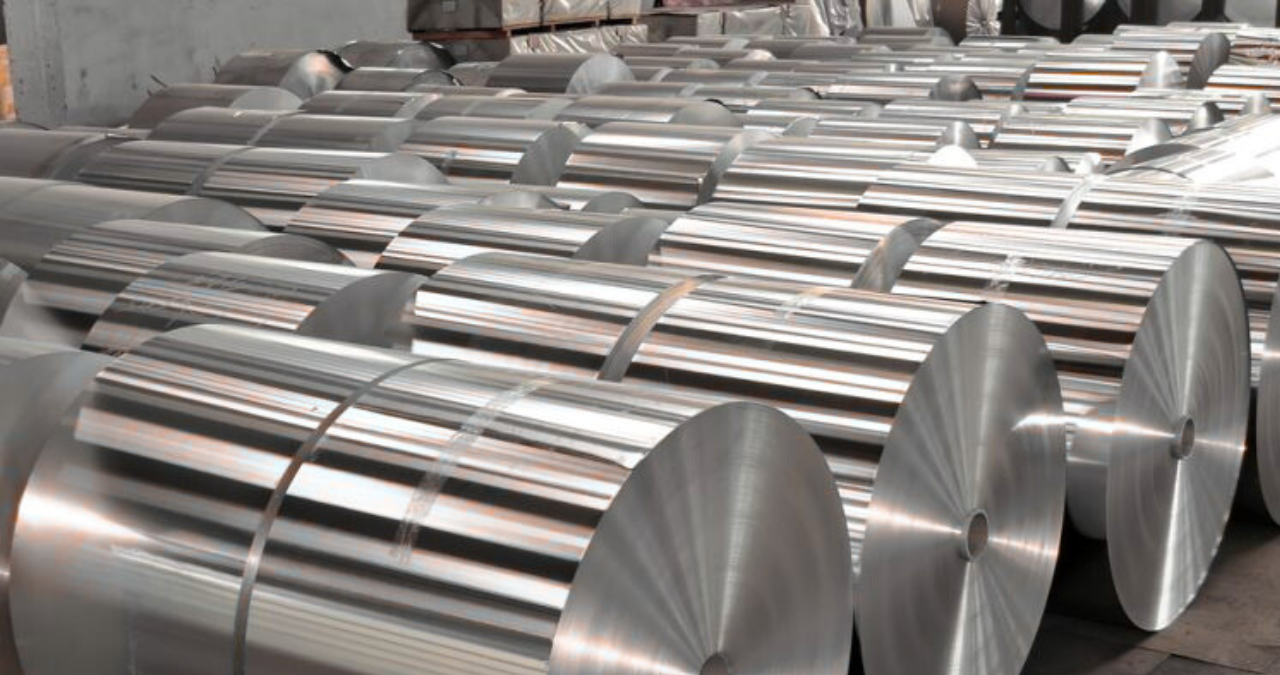
To understand the idea behind aluminum being softer than brass, it is important to see aluminum for what it is. Aluminum is known for being extremely lightweight, which already tells you something about its internal structure. Its atomic arrangement allows it to be shaped with ease, giving creators the ability to bend it, form it, and cut it without much resistance. This structure contributes to why some people assume the answer to whether aluminum is softer than brass is always yes.
Aluminum not only offers softness but also versatility. It is widely used in building frames, housings, cookware, and countless everyday items. It resists rust, it holds up well to outdoor conditions, and it remains easy to work with. Many makers love aluminum for that quick and adaptable feel, which naturally brings more attention to the question of whether aluminum is softer than brass. With aluminum being so workable, it is understandable why so many people assume it falls on the softer side of the comparison.
A Closer Look at Brass as a Material
Is Aluminum Softer Than Brass Brass tells a different story in the discussion about whether aluminum is Is Aluminum Softer Than Brasssofter than brass. Brass is heavier, denser, and has a more solid feel when handled. It carries a smooth but firm surface, and when pressure is applied, it tends to resist more compared to flexible metals. These qualities give brass a reputation for being stronger and more durable in certain applications. Adding complexity to the question is whether aluminum is softer than brass.
Is Aluminum Softer Than Brass People love brass for its warm color, its attractive shine, and its ability to withstand more wear. It is extremely popular in decorative hardware, fittings, instruments, and mechanical components that require a blend of beauty and resilience. The fact that brass combines charm with strength leads many people to explore whether aluminum is softer than brass, especially when aesthetic and functional needs meet. Brass simply feels more solid, and that feeling plays a major role in how people answer the softness question.
Comparing Everyday Use Cases
Is Aluminum Softer Than Brass One practical way to explore whether aluminum is softer than brass is by examining how each metal behaves in real life. Take aluminum tools or parts, for example. They often show small dents or marks after heavy use because aluminum gives more easily under pressure. This softness can be helpful in situations where bending is useful, but it also means aluminum surfaces need more protection. This is why the discussion about whether aluminum is softer than brass shows up so often among hobbyists and professionals.
Brass, on the other hand, tends to stay smoother and firmer even after long periods of handling. People who use brass frequently notice that it stands up better to friction and impact. This resistance gives brass a reputation for being more durable in some environments. All of these user experiences influence the ongoing question of whether aluminum is softer than brass, reminding us that softness affects not only the material itself but also how long the final product lasts.
How Workability Shapes the Answer
Another aspect that plays into the idea behind this is that aluminum is softer than brass, which is workability. Aluminum is famously easy to cut and drill. Even simple hand tools can shape it smoothly, and this ease of use is one of the reasons many beginners start with aluminum. If a metal shapes quickly without much effort, it naturally feels softer. This is why so many creators lean toward the idea that the answer to aluminum is softer than brass, which leans in a particular direction.
Is Aluminum Softer Than Brass Brass offers a different experience. It can still be shaped and machined fairly easily, but it requires slightly more pressure when cutting or forming. This additional resistance signals to most people that brass has a firmer structure. The moment someone feels that resistance, the question of whether aluminum is softer than brass becomes even clearer to them. Workability becomes a direct, hands-on test that shows how each material behaves in a controlled environment.
Durability and Softness in Long-Term Use
Is Aluminum Softer Than Brass The topic of aluminum being softer than brass also extends into long-term durability. Softer metals naturally pick up signs of wear more quickly. Aluminum, being on the more flexible and lightweight side, often shows scratching or denting sooner when exposed to heavy use. This does not make aluminum a bad choice; it simply means its softness influences how it ages. That factor often plays into how deeply people search for an answer to whether aluminum is softer than brass when building something meant to last.
Is Aluminum Softer Than Brass Brass generally has an advantage in situations where long-term surface protection matters. It does not dent as easily, and it resists abrasion with more confidence. Brass also develops a natural, attractive patina over time, which adds to its charm while still maintaining strength. This stronger, steadier surface is a key part of the conversation about whether aluminum is softer than brass, because durability is one of the clearest indicators of softness in practical engineering.
The Aesthetic Qualities That Influence Perception
Surprisingly, looks and feel also influence how people interpret that aluminum is softer than brass. Aluminum tends to have a smooth, clean, light appearance that almost implies softness. Its featherlike weight supports this perception. When a material feels light and smooth, the mind naturally assumes it might be easier to bend or scratch. This sensory perception plays a subtle but real role in how people answer the question Is aluminum softer than brass.
Brass, however, looks and feels solid from the moment someone picks it up. The warm glow, the weight, and the firmness all come together to form an impression of durability. This sense of strength adds psychological weight to the debate about whether aluminum is softer than brass. In many cases, even before testing either material, people already sense which one might be softer simply by touching and observing them. Aesthetics can be surprisingly influential in how people understand material properties.
Why the Question Continues to Matter
The debate over whether aluminum is softer than brass continues because both metals are extremely popular across many fields. Builders, designers, crafters, and even artists choose between them regularly. Softness plays a huge role in shaping performance, cost, durability, and maintenance. When a choice affects the success of a project, even a simple question like Is aluminum softer than brass becomes essential.
Whether someone is designing structural parts, crafting jewelry, machining mechanical components, or making decorative hardware, understanding how softness affects performance can prevent mistakes. It can also help someone achieve better results with less effort. Because of this, the question of whether aluminum is softer than brass will always matter, especially to people who want to work smarter and create better outcomes.
Final Thoughts
When exploring the question of whether aluminum is softer than brass, the answer becomes clearer the deeper you look. Each metal has its own strengths, its own character, and its own ideal uses. Aluminum brings ease, flexibility, and lightweight versatility. Brass brings strength, charm, and long-lasting beauty. Softness helps determine how each of these traits appears in real-world use, which is why the idea behind aluminum is softer than brass holds ongoing relevance.


