

Is Lemme FDA Approved. When you come across the question Is Lemme FDA approved, what you’re really asking is: does the brand Lemme or its product line have formal approval from the U.S. Food & Drug Administration (FDA) in the same way prescription drugs do? The short answer: No, Lemme supplements are not FDA-approved. This is because they are marketed as dietary supplements rather than prescription medications. The FDA does not evaluate every dietary supplement for safety and effectiveness before it hits the market, so the label “FDA approved” does not apply in the same way it does for drugs.
What this means in practice is that while Lemme’s manufacturing facilities may comply with good manufacturing practices (GMP) or be certified in certain ways, the products themselves haven’t gone through the rigorous clinical trials or regulatory reviews required for FDA‐approved drugs. Thus, when you use the phrase “this you should understand the regulatory category: supplement vs. prescription drug. Because Lemme falls into the supplement category, the approval standard is very different and less stringent.
So if you are considering using Lemme and you wonder, “this , you must be aware of what that means for safety, claims, regulation, and expectations. Because it’s not FDA‐approved, the level of evidence required is much lower, and the claims the brand can legally make are limited (they cannot claim to treat, cure, or prevent a disease). Understanding that difference is key to making an informed decision.
What Does “FDA Approved” Actually Mean?
When we ask if is Lemme FDA approved, it’s helpful to step back and clarify what “FDA approved” means. For a drug to be FDA approved, it must go through a multi‐phase process: preclinical research, clinical trials in humans (Phase I, II, III), review of safety and efficacy data by the FDA, manufacturing oversight, labeling review, and post-market surveillance. In other words, “FDA approved” means the drug has met the agency’s standards for quality, safety, and effectiveness for a specific use.
By contrast, dietary supplements are regulated under a different set of rules, primarily the Dietary Supplement Health and Education Act (DSHEA) in the U.S. The manufacturer is responsible for ensuring that the product is safe and properly labeled, but the FDA does not review or approve supplements before they reach consumers. The agency may step in later if there are safety issues or false claims. That’s why asking if Lemme FDA approved leads to the answer “no” it is not subject to that pre‐market approval process.
Why this matters: when a product is not FDA approved, you have to be more cautious about the claims being made, the evidence supporting those claims, and your expectations of outcome. The regulatory protections are different. So when you see the question “is Lemme FDA approved,” you are uncovering an important regulatory reality: you’re dealing with a supplement, not a drug, and the support behind it is different.
In short, “FDA approved” carries a strong implication of tested, proven, regulated medical use. Without that label, you don’t have the same guarantee. That is why the distinction matters and why answering “is Lemme FDA approved” is so important for the consumer’s understanding of risk, benefit, and oversight.
What We Know About Lemme and Its Claims
When asking this we also need to examine the brand’s claims, how they market their products, and the evidence they provide. The brand Lemme offers a variety of health and wellness supplements. A prominent one is Lemme GLP‑1 Daily, which is marketed as a supplement designed to support the body’s natural GLP-1 hormone production, reduce hunger, and support healthy weight management
However, the marketing statement that this supplement supports GLP-1 production or mimics the effect of GLP-1 drugs must be understood critically. Experts note that while the individual branded ingredients (for example, certain extracts of lemon, saffron, or red orange) have been studied in small trials, the product as a whole has not been evaluated in large, long-term randomized clinical trials akin to those required for drug approval
And importantly for our question this the brand and its products do not claim to be FDA approved. Furthermore, medical commentary points out that supplements with such claims fall under stricter scrutiny if they implicitly suggest they are equivalent to prescription drugs. For example, a doctor said that no supplement can replicate the potency or regulatory status of GLP-1 receptor agonist medications like Ozempic.
So, in short: Lemme markets its products, but the question “is Lemme FDA approved” is answered by the fact that these are dietary supplements, not drugs, and therefore fall outside the “FDA approved” zone. The brand acknowledges this, and the regulatory landscape confirms it.
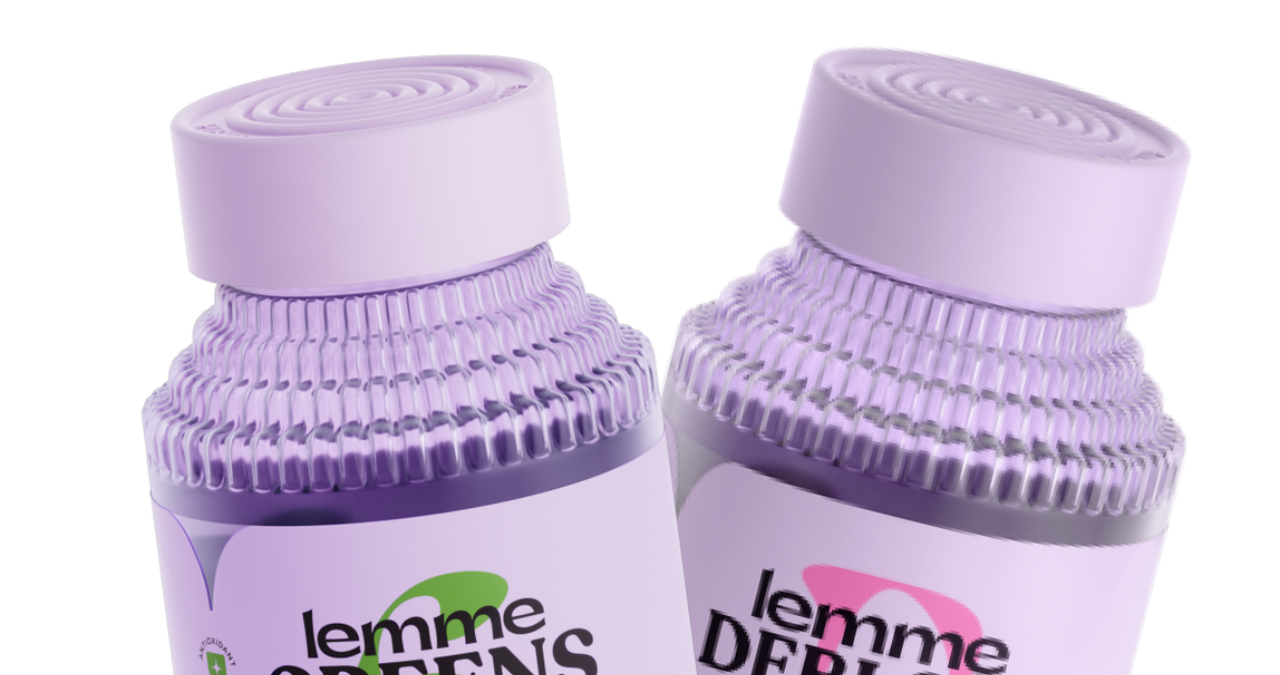
Why It Matters: Safety, Efficacy, and Consumer Expectations
Because the answer to ” Lemme FDA approved is ‘no,” it matters a great deal for consumers in terms of what to expect and what to watch out for. When a product is not FDA-approved, there are several implications:
- Safety and efficacy are less documented: Drugs that are FDA approved have a well‐documented safety profile, dosing regimen, clear contraindications, and known side effects monitored via post-market surveillance. With supplements like those from Lemme, the body of evidence is smaller, trials may be limited in size, duration, or quality, and regulatory oversight is lighter. For example, one review pointed out that GLP-1 supplements are not supported by robust data and may even carry risk when used alongside prescription medications
- Claims are limited by law: Supplement manufacturers cannot legally claim their product treats, cures, or prevents disease. If a product does so, it may be considered a drug and then would require FDA approval. For brands like Lemme, the marketing must use more cautious language (e.g., “supports healthy weight management”). This means if you’re expecting a miracle drug-level result, you may be disappointed.
- Quality control oversight is different: While supplements are subject to good manufacturing practices and must be labeled, the pre-market scrutiny is much less intense. A brand may follow GMP or even be certified, but that does not equate to FDA approval of the product’s claims or effectiveness. For instance, Lemme states their manufacturing facilities follow GMP, and the supplement industry is “not regulated” in the same way
- Expect realistic outcomes: When asking “is Lemme FDA approved,” you are implicitly testing whether you can rely on big clinical evidence and regulatory backing in this case, you cannot. Therefore, your expectations should be realistic. Some individual ingredients may support mild outcomes (e.g., reduced snacking or modest support of metabolism) but cannot replicate the effect of an approved prescription drug. Reviews indicate that results are mixed and should be viewed as part of a wellness routine rather than a therapeutic guarantee
In practical terms, you should use supplements like Lemme with the understanding that they are optional wellness aids, not medical treatments. If you have a medical condition, are on prescription medications, or are seeking treatment for obesity or diabetes, you should consult a healthcare provider rather than rely solely on non-approved supplements.
How to Interpret the Marketing vs. the Reality
Given that the straightforward answer to ” Lemme FDA approved is “no,” let’s look at how the brand positions itself and how to interpret that messaging in light of regulatory reality.
The marketing around Lemme GLP-1 Daily is built on the popularity of GLP-1 receptor agonist drugs (like Ozempic, Wegovy) for weight loss and metabolic health. The brand leverages that momentum to position its supplement as “supporting the body’s natural GLP-1 production” or “reducing hunger and supporting healthy weight management.”
From a consumer perspective, this sounds powerful. But from a regulatory and scientific perspective, the difference between “supporting production” and “being the drug” matters a lot. Experts caution that such supplements cannot match drug efficacy, and the studies supporting them are limited, small in scale, or done on ingredients, not the finished product. For instance:
- One article notes that the supplement industry is not regulated in the same way and that manufacturers can follow the FDA’s good manufacturing guidelines, but the product still isn’t FDA-approved.
- Another review notes that while some ingredients have been studied, none of the finished GLP-1 supplement products have undergone large trials; the branding uses the hype around GLP-1 drugs while lacking comparable evidence
- A class action lawsuit was filed accusing Lemme of false advertising due to claims that it increases GLP-1 and reduces hunger/weight, when the evidence for that magnitude of effect is weak.
Thus, when you see the question is Lemme FDA approved, the marketing implies something stronger than what the regulatory status actually supports. Recognizing that gap helps you interpret the brand’s claims with more nuance.
The Regulatory Landscape: Why Supplements Aren’t FDA Approved
To further explain why the answer to ” Lemme FDA approved is negative, it helps to outline the regulatory landscape for supplements vs. drugs in the U.S.
- Under DSHEA (Dietary Supplement Health and Education Act) of 1994, dietary supplements are defined as products taken by mouth containing a “dietary ingredient” (vitamin, mineral, herb or other botanical, amino acid, etc.). They are regulated as a category distinct from foods and drugs.
- For dietary supplements, the manufacturer is responsible for ensuring safety before marketing, but there is no requirement for pre-market approval by the FDA. After a product is on the market, the FDA can intervene if a product is found to be unsafe or misbranded.
- In contrast, for drugs, the product must undergo rigorous clinical trials, then an application is submitted to the FDA, which reviews data and only then grants approval for specific indications.
- Therefore, supplements like Lemme’s products are legal and can be sold, but they don’t carry the “FDA approved” badge, which is reserved for drugs.
- Experts argue that supplements claiming to mimic or substitute for prescription drugs move into a regulatory grey area, potentially triggering regulatory scrutiny or class-action exposure. For example, many GLP-1 “support” supplements are facing class-action lawsuits because they are leveraging drug-style claims without drug-level evidence.
So the question of Lemme FDA approval is answered by the regulatory category: as a supplement, no. But that doesn’t mean it’s illegal or necessarily unsafe; it simply means the oversight, evidence, and claims are different from what you’d expect for a prescription drug.
Practical Advice for Consumers Considering Lemme
Since we’ve covered that the answer to ” Lemme FDA approved is “no,” here are some practical tips if you’re considering using Lemme or similar supplements:
- Check with your healthcare provider: If you have underlying health conditions (e.g., diabetes, obesity, thyroid issues), or if you are taking prescription medications especially for metabolic conditions let your provider know about any supplements you plan to use. Because supplement-drug interactions or unintended effects are possible.
- Manage expectations: Since Lemme is not FDA-approved and the evidence is limited, treat it as a wellness support rather than a guaranteed weight-loss or disease treatment solution. If you’re seeking clinical results (for example, for obesity or diabetes), approved medications or medically supervised programs might be more appropriate.
- Review the evidence and claims carefully: Look at what clinical studies exist for the ingredients in the supplement. Are they small, industry-funded, short-term? For Lemme GLP-1 Daily, the brand points to studies of individual ingredients (e.g., lemon fruit extract, saffron extract) but not large trials of the complete formula. This is important context.
- Be aware of pricing and value: Some wellness supplements, especially celebrity-backed ones like Lemme, may carry a premium price relative to their evidence base. Examine whether the cost aligns with what is realistically achievable and the level of proof presented.
- Monitor for side effects: Although supplements are generally considered lower risk than prescription drugs, “generally safe” does not mean risk-free. If you notice side effects after using a supplement like Lemme, stop using it and consult a healthcare provider.
- Use as part of a broader healthy lifestyle: Supplements work best in the context of diet, exercise, sleep, and mental health. Using Lemme (or anything similar) alone, without healthy lifestyle habits, may limit its potential benefit.
Thus, when the question of Lemme FDA approval is in your mind, the response should trigger both caution and curiosity caution because of the regulatory gap, and curiosity because you ought to dig deeper into the ingredient evidence, cost, and what the product realistically offers.
Summary: “Is Lemme FDA Approved” – Final Word
In conclusion, asking if Lemme is approved is a valid and important consumer inquiry. The answer is that no, Lemme supplements are not FDA-approved in the way prescription drugs are. Because they are dietary supplements, the regulatory pathway and evidence backing differ significantly from drugs. That doesn’t mean they are worthless or unsafe, but it means you should calibrate your expectations accordingly.
You should approach Lemme (and similar supplements) with informed awareness: understand the regulatory status, review the actual scientific evidence behind the claims, discuss with a healthcare provider as needed, and view the product as a possible wellness support rather than a substitute for medical treatment.


