

Real Unicorn. The idea of the real unicorn has fascinated human imagination for generations, blending wonder, curiosity, and a deep desire to believe that magic might exist just beyond the edges of everyday life. When people hear the phrase real unicorn, they often picture a graceful creature moving through misty forests, its presence calm yet powerful. This image is not just a product of fantasy stories or fairy tales. It reflects humanity’s long-standing relationship with myth, symbolism, and the hope that the natural world still holds mysteries waiting to be uncovered.
What makes the such a compelling topic is how it sits at the intersection of legend, history, science, and cultural storytelling. Some view the as a literal creature that once walked the earth, while others see the real unicorn as a symbol shaped by misunderstood animals and exaggerated accounts. Either way, the real unicorn continues to inspire art, literature, and even modern conversations about belief and imagination. Exploring the is not just about chasing a mythical animal, but about understanding why this idea has endured so strongly across cultures and eras.
The Origins of the Real Unicorn Legend
The story of the real unicorn did not emerge from a single place or time. Ancient civilizations across different regions spoke of a horned creature with unique qualities, often describing it in ways that sounded surprisingly realistic. Travelers, traders, and explorers shared stories of strange animals seen in distant lands, and over time, these accounts blended into the legend of the real unicorn. What began as scattered descriptions slowly formed a shared image that people could recognize and retell.
Many early descriptions of the real unicorn emphasized its strength, rarity, and purity. Writers often portrayed the real unicorn as elusive, living far from human settlements and appearing only to those with pure intentions. These narratives gave the real unicorn a moral dimension, turning it into more than an animal. It became a reflection of values people admired, such as innocence, truth, and harmony with nature. This deep emotional connection helped the legend of the real unicorn spread and survive.
Cultural Interpretations of the Real Unicorn
Different cultures have interpreted the real unicorn in unique ways, each adding new layers to its meaning. In some traditions, the was seen as a gentle guardian of the natural world, while in others it represented power and authority. These cultural differences did not weaken the idea of the real unicorn. Instead, they enriched it, allowing the legend to adapt to various belief systems and storytelling styles.
In Eastern traditions, creatures similar to the were often associated with wisdom and balance. These interpretations focused less on physical appearance and more on spiritual significance. In Western cultures, the became closely tied to ideas of purity and virtue, especially in medieval storytelling. Despite these differences, the core idea of the remained consistent: a rare, extraordinary being that existed beyond the ordinary rules of the world.
The Real Unicorn in Ancient Writings
Ancient texts provide some of the earliest references that hint at the . Historians and scholars have found descriptions of horned animals in works that were intended to document the natural world. These writers did not always distinguish clearly between observation and hearsay, which allowed the to enter historical records as a possible reality rather than pure fiction.
Some ancient authors described animals with a single horn and unusual behavior, often based on secondhand accounts from travelers. Over time, these descriptions were copied, translated, and retold, reinforcing the idea that the was a known creature somewhere in the world. The authority of these texts gave the legend credibility, making people more willing to accept the as a genuine part of nature.
Natural Explanations Behind the Real Unicorn
Modern thinkers often look for scientific explanations when discussing the Many experts believe that the legend may have originated from real animals that were misunderstood or exaggerated. Animals with prominent horns or tusks could have inspired stories of the especially when seen briefly or described by someone unfamiliar with them.
For example, certain animals have horns that, when viewed from a specific angle, appear singular. Travelers encountering these animals in unfamiliar environments may have described them in ways that fueled the myth of the Over time, artistic interpretations and storytelling added elegance and mystery, transforming ordinary creatures into the legendary known today.
Symbolism Associated With the Real Unicorn
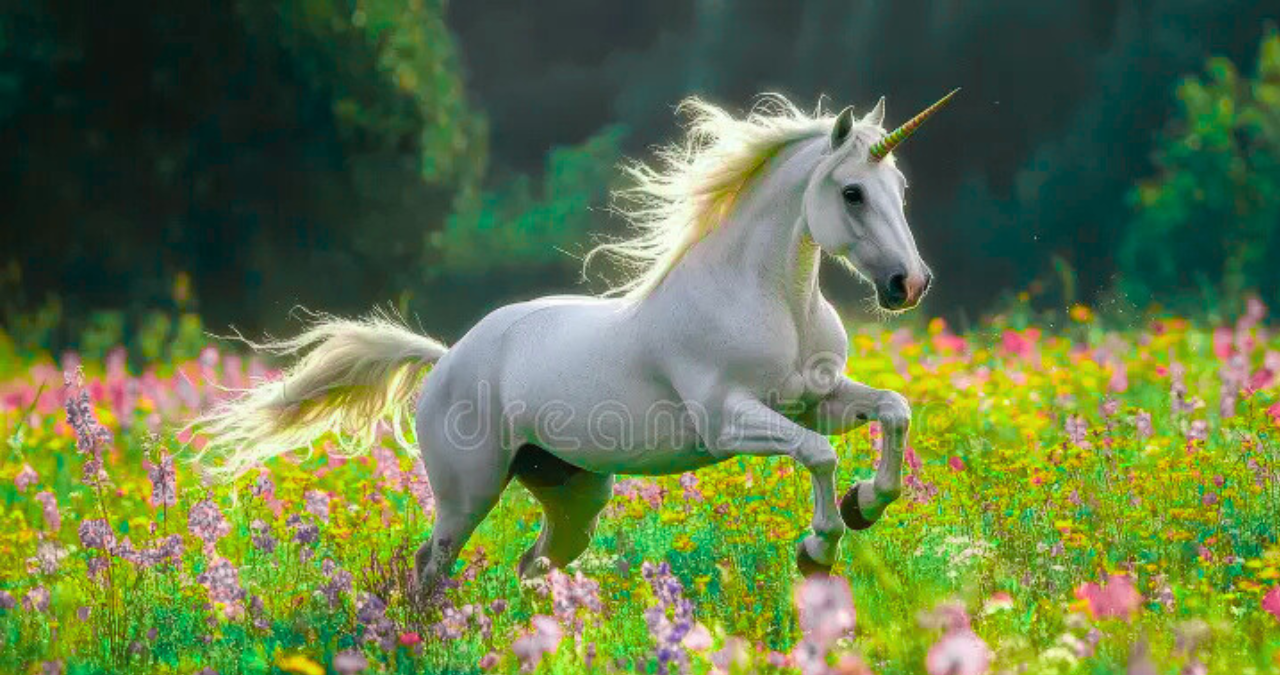
The real unicorn has always carried deep symbolic meaning. Beyond its physical description, the real unicorn represents ideals that humans strive toward but rarely achieve. Purity, honesty, and freedom are often linked to the real unicorn, making it a powerful symbol in moral and spiritual storytelling.
This symbolism explains why the appears so frequently in art and literature. Artists use the to convey themes that words alone cannot express. Writers use the to explore ideas of innocence lost or preserved. In this way, the becomes a mirror reflecting human hopes, fears, and aspirations.
The Real Unicorn in Medieval Imagination
During medieval times, belief in the reached its peak. Bestiaries, which were books describing animals and their moral meanings, often included detailed entries about the . These texts treated the\ as both a physical creature and a spiritual symbol, blending natural history with religious teaching.
Illustrations from this period show the as a horse-like animal with a single elegant horn. These images shaped public perception and solidified the visual identity of the People did not question these depictions, as they trusted the sources that presented them. As a result, the became firmly embedded in the medieval worldview.
Artistic Representations of the Real Unicorn
Art has played a crucial role in shaping how people imagine the . Paintings, tapestries, and sculptures have portrayed the in countless styles, each reflecting the values of its time. Some artworks emphasize grace and beauty, while others highlight strength and mystery.
These artistic representations often go beyond realism, intentionally enhancing the magical qualities of the . By doing so, artists invite viewers to suspend disbelief and engage with the idea of wonder. The lasting popularity of these artworks shows how deeply the real unicorn resonates with human creativity and emotion.
The Real Unicorn in Modern Storytelling
In modern storytelling, the continues to evolve. Books, films, and other media reinterpret the real unicorn to suit contemporary audiences. Sometimes it appears as a gentle companion, other times as a powerful force of nature. These varied portrayals keep the concept of the real unicorn fresh and relevant.
Modern creators often use the real unicorn to explore themes of identity and belonging. The real unicorn may represent someone who feels different or misunderstood, mirroring the creature’s own rarity. Through these stories, the real unicorn remains a symbol of individuality and hope in a complex world.
Scientific Curiosity About the Real Unicorn
Even though science has not confirmed the existence of the as traditionally described, curiosity about the legend persists. Scientists and historians study the origins of the myth to understand how human perception and storytelling work together. This research does not aim to dismiss the but to appreciate how myths form and endure.
By examining fossils, historical accounts, and cultural contexts, researchers gain insight into how the idea of the might have developed. This process highlights the human tendency to seek meaning and wonder in the natural world. In this sense, the continues to inspire scientific inquiry as much as artistic expression.
Psychological Appeal of the Real Unicorn
The enduring appeal of the can also be explained through psychology. Humans are naturally drawn to mystery and beauty, especially when combined with a sense of rarity. The embodies these qualities perfectly, making it an ideal focus for imagination and belief.
Believing in the allows people to momentarily escape the constraints of reality. It offers comfort and inspiration, reminding individuals that not everything must be explained or controlled. This emotional connection ensures that the remains a cherished concept across generations.
The Real Unicorn as a Metaphor
Beyond myth and legend, the often serves as a metaphor in everyday language. People use the term to describe something rare, exceptional, or almost impossible to find. This metaphorical use shows how deeply the idea of the has entered common understanding.
When someone refers to a in conversation, they are tapping into centuries of shared imagery and meaning. The phrase instantly conveys uniqueness and value without requiring a detailed explanation. This linguistic power demonstrates the lasting influence of the on human communication.
Modern Belief Systems and the Real Unicorn
In some modern belief systems, the takes on new spiritual meanings. It may symbolize inner strength, healing, or a connection to nature. These interpretations often blend ancient symbolism with contemporary values, creating a renewed sense of relevance.
People who resonate with these beliefs may view the as a guide or inspiration rather than a physical creature. This shift reflects changing attitudes toward spirituality and my th. The adapts once again, proving its ability to remain meaningful in different contexts.
The Real Unicorn in Popular Culture
Popular culture has embraced the in many forms. From fashion and design to branding and entertainment, the image of the is everywhere. Its association with positivity and imagination makes it appealing to a wide audience.
This widespread use does not diminish the significance of the . Instead, it shows how adaptable the symbol is. Whether used playfully or seriously, the continues to capture attention and spark joy.
Debates Surrounding the Real Unicorn
Discussions about the real unicorn often spark debate between skeptics and believers. Some argue that the real unicorn is purely a product of imagination, while others believe there may be truths hidden within the legend. These debates are less about proving existence and more about exploring perspectives.
Engaging in these conversations encourages critical thinking and open-mindedness. The real unicorn becomes a starting point for discussing how humans interpret evidence and form beliefs. In this way, the legend remains intellectually stimulating as well as entertaining.
The Future of the Real Unicorn Legend
Looking ahead, the is unlikely to fade from collective consciousness. As long as people value creativity and wonder, the legend will continue to evolve. New stories and interpretations will emerge, each adding to the rich tapestry of meaning surrounding the
The future of the lies not in discovery, but in imagination. It will continue to inspire artists, writers, and thinkers to explore what lies beyond the visible world. The reminds us that mystery is an essential part of being human.
Why the Real Unicorn Still Matters
The real unicorn matters because it represents more than a mythical creature. It symbolizes the human capacity to dream, to believe, and to search for meaning beyond the ordinary. In a world driven by facts and efficiency, the real unicorn offers a reminder of the value of imagination.
By keeping the legend alive, people preserve a connection to creativity and curiosity. The real unicorn encourages us to look at the world with wonder, even when answers are unclear. This enduring relevance ensures that the real unicorn will remain a powerful symbol for generations to come.
Final Thoughts on the Real Unicorn
The journey of the from ancient legend to modern symbol is a testament to its enduring power. It has adapted to different cultures, belief systems, and artistic expressions without losing its core identity. The continues to inspire because it speaks to something universal within the human experience.
Whether viewed as a historical mystery, a cultural icon, or a personal symbol, the holds a special place in human imagination. Its story reminds us that not all truths are measured by evidence alone. Some truths live in stories, symbols, and the shared dreams that connect us all.


