

The Unforgettable Allure of Nummazaki.This Tucked away on the eastern coast of the Izu Peninsula, Nummazaki is not merely a location but an experience, a stark and beautiful contrast to Japan’s neon-lit metropolises. For the discerning traveler, it represents a pilgrimage to the edge of the world, where the raw power of the Pacific Ocean meets ancient volcanic cliffs. This comprehensive guide is dedicated to unraveling the very essence of this captivating place, delving deep into the multifaceted highlights of Nummazaki that transform a simple trip into a lifelong memory. Beyond the iconic lighthouse postcard view lies a destination rich in geological drama, quiet history, and seasonal transformations. Here, we move past simple listings to explore the strategic context of each attraction, offering practical insights and weaving together the narrative that makes this cape a singular authority in Japan’s extensive travel catalog. Whether you are a landscape photographer chasing the perfect dawn, a geology enthusiast fascinated by Earth’s artistry, or a soul-seeker in need of oceanic solace, understanding the core highlights of Nummazaki is the first step toward an authentic encounter with one of the country’s most dramatic natural stages.
The Iconic Nummazaki Lighthouse and Its Panoramic Dominion
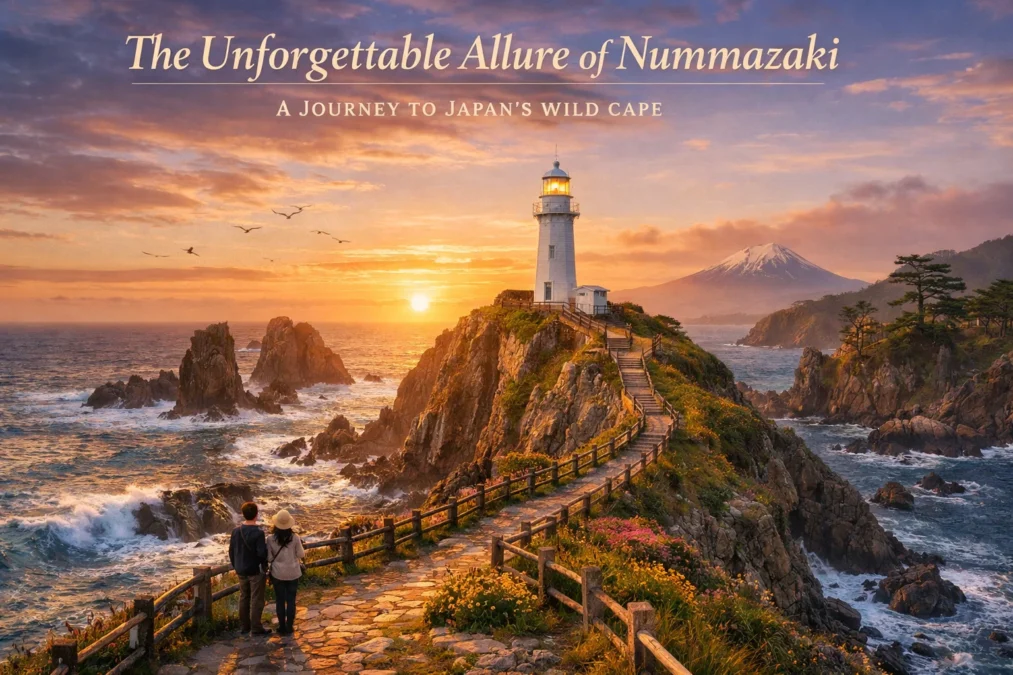
The Unforgettable Allure of Nummazaki Standing as a solitary white sentinel against the endless blue, the Nummazaki Lighthouse is undoubtedly the cardinal point for any visit. Constructed in 1873 by the Scottish engineer Richard Henry Brunton during Japan’s rapid Meiji-era modernization, its historical significance is as solid as its stone foundation. It represents one of the first Western-style lighthouses in Japan, built to protect the vital shipping lanes approaching Tokyo Bay from the treacherous currents and fog of the Pacific. This context elevates it from a mere photo spot to a monument of maritime history and international exchange, a key piece in the narrative of Japan’s opening to the world.
The Unforgettable Allure of NummazakiThe true majesty, however, is unlocked by the climb. Ascending the spiral staircase to the lighthouse’s observation deck rewards you with a 360-degree panorama that justifies the journey alone. From this vantage point, the full scope of the highlights of Nummazaki unfolds beneath you. To the south, the wild, forested coastline stretches toward the horizon; to the north, the rugged cliffs reveal their complex stratification. On obvious days, the silhouette of Mount Fuji graces the northwestern skyline, completing a quintessentially Japanese vista. The relentless crash of waves against the cliffs hundreds of feet below provides a constant, humbling soundtrack, emphasizing the lighthouse’s enduring role as a guardian between land and sea.
The Geological Theater of Jogasaki Coast and Suspension Bridges
The Unforgettable Allure of Nummazaki Adjacent to the lighthouse grounds, the earth itself tells a violent and beautiful story. The Jogasaki Coast is a spectacular testament to volcanic fury, where magma from Mount Omuro’s eruption some 4,000 years ago met the cold ocean and solidified into sheer cliffs of jagged basalt. This dramatic geological canvas forms the foundational backdrop for the region’s most breathtaking walks. Erosion has sculpted this coastline into a natural theater of sea caves, blowholes, and fascinating columnar jointing, where rock fractures into hexagonal pillars that seem almost man-made. A well-maintained hiking trail, the Jogasaki Kaigan Promenade, snakes along the cliff edge, offering continuously evolving perspectives of this raw power.
The Unforgettable Allure of Nummazaki Integral to this experience are the bridges that connect the cliffs. The most famous, the Kadowaki Suspension Bridge, spans a narrow chasm with the roaring ocean below. Crossing it is an exhilarating moment of exposure to the elements. Slightly further along the trail, the more recent Jogasaki Suspension Bridge offers a longer, steadier passage with equally stunning views. These structures are not just pathways; they are carefully placed viewing platforms that frame the highlights of Nummazaki in cinematic fashion. They provide the literal connection between perspectives, allowing visitors to hover above the turquoise waters and appreciate the intricate patterns and colors of the eroded rock faces that are impossible to see from the clifftop alone.
Seasonal Transformations and Floral Spectacles
The Unforgettable Allure of Nummazaki To view Nummazaki through a single seasonal lens is to miss half its splendor. Each quarter drapes the cape in a distinct costume, radically altering its mood and appeal. Spring is arguably the most celebrated season, when the harsh volcanic rocks are softened by a vibrant carpet of kibana (yellow daylilies). These bright blooms, typically peaking from late April to May, create a stunning contrast against the deep blue sea and dark cliffs, a visual symphony that draws photographers and nature lovers en masse. The air is crisp, the skies are often clear, and the moderate temperatures make for ideal hiking conditions along the coast.
The Unforgettable Allure of Nummazaki Conversely, winter unveils a more austere and powerful personality. From December through February, the collision of cold air with the relatively warmer Kuroshio Current offshore creates a spectacular phenomenon: the generation of dense sea fog that often envelops the lighthouse. This ethereal scene, where the lighthouse beam cuts through the mist, is hauntingly beautiful. Furthermore, winter storms send colossal waves crashing against the cliffs, sending spray high into the air—a raw display of nature’s force. Autumn brings clear skies and the possibility of seeing Mount Fuji with snow-capped precision. At the same time, summer offers lush green landscapes and vibrant hydrangeas along the trails, though with higher humidity and visitor numbers.
Historical Depths and the Legacy of the Izu Peninsula
The Unforgettable Allure of Nummazaki The drama of Nummazaki is set upon a stage with a deep historical backstory. The entire Izu Peninsula has long been a place of exile, reflection, and inspiration, influencing figures from medieval shoguns to modern literary giants. While the cape itself feels remote, it is part of a cultural landscape that includes nearby hot spring towns like Ito and Shimoda, the latter being the port where Commodore Perry forced Japan’s reopening in the 1850s. This context of international encounter echoes in the construction of the Western-style lighthouse just two decades later. The region’s history is one of dramatic interface—between isolation and openness, between volcanic land and consuming sea.
The Unforgettable Allure of Nummazaki This historical texture adds layers of meaning to a visit. Walking the trails, one can reflect on the centuries of fishermen who have navigated these dangerous waters, the feudal lords who were banished to this scenic imprisonment, and the engineers who dared to build a towering light on such a perilous frontier. As noted by a local historian, “Nummazaki is not just a geographic point; it is a chronological ledger. Every layer of rock, every beam from the lighthouse, tells a chapter in the story of Izu’s interaction with the wider world.” This perspective enriches the physical sights, transforming them from simple scenery into markers of a resilient human and natural history, a crucial dimension of the holistic highlights of Nummazaki.
Strategic Visitor Pathways and Optimal Itineraries
The Unforgettable Allure of Nummazaki ExperiencingThe Unforgettable Allure of Nummazaki the highlights of Nummazaki with efficiency and depth requires thoughtful planning, as the cape’s offerings are spread across a compact but rugged area. A strategic approach maximizes immersion while minimizing backtracking and crowding. The core circuit begins at the Nummazaki Lighthouse parking area, proceeding first to the lighthouse itself for the morning light and panoramic orientation. From its base, one seamlessly joins the Jogasaki Kaigan Promenade heading south, crossing the suspension bridges and marveling at the volcanic formations, ultimately looping back to the start. This 2-3 hour walk forms the essential spine of any visit.
The Unforgettable Allure of Nummazaki For those with more time, integrating Nummazaki into a broader Izu Peninsula journey unlocks its full potential. The cape pairs perfectly with a morning visit followed by an afternoon relaxing in the onsens of Ito or exploring the historical sites of Shimoda. Accessibility is straightforward via the Izu Kyuko Line from Ito Station to Jogasaki Kaigan Station, followed by a short bus or taxi ride to the lighthouse grounds. The table below provides a clear breakdown of the primary strategic approaches, helping visitors match their itinerary to available time and interests.
| The Nummazaki Essentials | Half-Day (3-4 hours) | 1. Lighthouse visit & panorama. 2. Jogasaki Promenade walk (south loop). 3. Key photo stops at bridges & cliffs. | First-time visitors, day-trippers, photographers on a schedule. |
| The Immersive Coastal Explorer | Full Day (5-7 hours) | 1. Extended lighthouse & museum study. 2. Complete Jogasaki Promenade (both directions). 3. Picnic lunch at a clifftop viewpoint. 4. Detailed geological observation & seasonal flower hunting. | Hikers, nature enthusiasts, geology buffs, slow travelers. |
| The Izu Peninsula Integration | 1-2 Days (with overnight) | Day 1: Nummazaki highlights in morning, afternoon in Ito (onsen, museums). Day 2: Travel to Shimoda for Perry history, beaches, or kayaking. | Cultural travelers, families, those seeking hot spring relaxation. |
Beyond the Beaten Path: Secret Vistas and Local Encounters
The Unforgettable Allure of Nummazaki While The Unforgettable Allure of Nummazaki the main promenade captures the celebrated views, several lesser-known perspectives offer solitude and unique compositions. Venturing onto some of the smaller, unmarked paths that branch off toward the cliff edges (with utmost caution) can lead to secluded outcrops with uninterrupted views of the ocean expanse. Early mornings, before the tour buses arrive, reveal the cape in its most pristine state, with soft light and the sounds of nature dominant. Similarly, the areas just north of the lighthouse, often bypassed by crowds following the main southern trail, provide stunning overlooks of the lighthouse itself framed against the coastline.
The Unforgettable Allure of Nummazaki Engagement with The Unforgettable Allure of Nummazaki the local community also adds a rich, human dimension to the highlights of Nummazaki. Small family-run shops near the parking area sell local specialties like wasabi soft serve—a pungent and refreshing treat unique to the Izu region, which is a major wasabi producer. Chatting with the lighthouse keepers or local guides can yield fascinating anecdotes about weather extremes, wildlife sightings, and historical tidbits not found in guidebooks. These micro-interactions anchor the grand landscapes in the present-day life of the community that stewards this remarkable place.
Photographic Mastery at Japan’s Coastal Edge
The Unforgettable Allure of Nummazaki For photographers, Nummazaki is a demanding but incredibly rewarding subject. The key to capturing its essence lies in balancing the immense scale of the landscapes with intricate details. Wide-angle lenses are essential for the sweeping cliff and lighthouse vistas, ideally shot during the golden hours of sunrise or sunset when the low angle of the sun casts long shadows and warms the rock faces. A polarizing filter becomes invaluable for cutting glare from the water and enhancing the saturation of the sky and foliage, especially during the vibrant spring bloom.
The Unforgettable Allure of Nummazaki Conversely, a telephoto lens allows for compression of scenic layers, such as framing the lighthouse with a distant Mount Fuji or isolating the geometric patterns of the columnar jointing. Long exposures during cloudy days or at dusk can transform the churning sea into a silky mist, emphasizing the timeless erosion at work. The ever-changing weather is both a challenge and an opportunity; fast-moving fog, dramatic storm clouds, and rainbows after a shower can create once-in-a-lifetime shots that define the dynamic highlights of Nummazaki. Patience and preparedness for rapidly shifting conditions are a photographer’s greatest assets here.
Ecological Sanctuary and Marine Biodiversity
The turbulent waters and rocky shores of Nummazaki create a unique marine ecosystem. The convergence of currents brings nutrient-rich waters that support a diverse food web, attracting seabirds like streaked shearwaters and black-tailed gulls that nest on the inaccessible cliffs. Keen-eyed visitors may spot ospreys diving for fish or, during migration seasons, the majestic sight of sea eagles soaring on the thermal drafts. The tidal pools trapped within the volcanic rock formations are micro-habitats teeming with life, including colorful anemones, crabs, and small fish.
This ecological richness underscores the importance of Nummazaki as a sanctuary, not just a scenic resource. The protected status of much of the coastline helps preserve these delicate habitats. Visitors play a role in this conservation by adhering to marked trails, not disturbing wildlife, and carrying out all trash. The presence of such vibrant life amidst the geological drama adds a layer of serene vitality to the experience, a reminder that the fierce beauty of the cape is also a nurturing one. Observing this biodiversity is a subtle yet profound part of engaging with the natural highlights of Nummazaki.
Cultural Reflections in Art and Literature
The Unforgettable Allure of Nummazaki The sublime and often melancholic beauty of Nummazaki has long served as a muse for Japanese artists and writers. Its imagery—the solitary lighthouse, the raging sea, the resilient flowers on the cliff—recurs in paintings, poetry (haiku and waka), and modern prose as a symbol of endurance, solitude, and the sublime power of nature. The famed novelist Yasunari Kawabata, who frequented the Izu Peninsula, drew inspiration from its landscapes, and the region’s atmosphere permeates works that contemplate isolation and beauty.
This artistic legacy provides a contemplative framework for visitors. Seeing the cape through the eyes of those who have immortalized it adds emotional depth. It encourages a slower, more reflective engagement beyond the snapshot. One might pause to consider how the play of light on the water was described in a poem or how a particular rock formation was captured in a woodblock print. This cultural layer connects the physical visit to a stream of aesthetic appreciation, making the exploration of the highlights of Nummazaki an engagement with Japanese artistic sensibility itself.
Navigating Practicalities for a Seamless Journey
The Unforgettable Allure of Nummazaki A smooth visit to Nummazaki hinges on mastering a few practical details. Transportation is the primary consideration. While renting a car offers the greatest flexibility for exploring the wider Izu Peninsula, the train-and-bus combination is highly efficient. The Izu Kyuko Line from Ito is scenic, and the bus from Jogasaki Kaigan Station to the lighthouse is regular, though checking the latest timetables is essential to avoid long waits. Purchasing an Izu Peninsula travel pass can offer cost savings for multi-day itineraries.
The Unforgettable Allure of Nummazaki Accommodation choices shape the experience. Staying in nearby Ito provides a range of options, from luxury ryokan with ocean-view onsens to business hotels, and allows for an early start to beat the crowds. Footwear is non-negotiable: sturdy, comfortable walking shoes with good grip are mandatory for the sometimes uneven and slippery cliffside paths. Weather on the cape can change instantly, so carrying layers, rain gear, sun protection, and sufficient water is crucial. Finally, while connectivity is generally good, having offline maps or a printed trail guide is a wise backup for navigating the promenade network.
The Culinary Echoes of Land and Sea
The Unforgettable Allure of Nummazaki No exploration of a region is complete without tasting it, and the highlights of Nummazaki extend to the local cuisine. The Izu Peninsula is celebrated for its seafood, harvested from the same rich waters that carve the cliffs. In the towns surrounding the cape, such as Ito, look for restaurants serving kurodai (black sea bream), kinmedai (splendid alfonsino), and fresh sashimi platters. A local specialty is wasabi-flavored dishes, from soba noodles to crackers, stemming from the pristine wasabi farms in the inland streams of Izu.
The Unforgettable Allure of Nummazaki For a direct culinary connection to the landscape, consider a bento box picnic. Purchasing a lunch from a local shop in Ito and enjoying it at one of the designated viewing areas along the Jogasaki coast is a memorable experience. The simple act of eating with the sound of waves and a panoramic vista encapsulates the integration of nature and culture. It turns a meal into a moment of deep immersion, where the flavors of the sea and land complement the visual and auditory feast provided by the cape itself, rounding out the sensory journey.
Conclusion: The Enduring Call of the Cape
The Unforgettable Allure of Nummazaki In the final reflectionThe Unforgettable Allure of Nummazaki , the true highlights of Nummazaki cannot be reduced to a checklist of sights. They reside in the synthesis of elements: the historical gravity of the lighthouse, the primordial drama of the cliffs, the delicate seasonal shifts, and the quiet cultural whispers that float on the sea breeze. It is a destination that demands engagement—to walk, to look, to feel the wind, and to contemplate. It challenges the modern pace of travel, asking visitors to slow down and witness the slow, majestic processes of geology and the enduring cycles of nature.
The Unforgettable Allure of Nummazaki To visit Nummazaki is to understand a different facet of Japan, one far removed from the ordered tranquility of temples or the pulsating energy of cities. It is wild, untamed, and profoundly beautiful. It leaves an imprint not just on a camera’s memory card, but on the traveler’s psyche. Whether you depart with photographs of lilies against the sea, the memory of fog swirling around a white tower, or simply the feeling of standing on the edge of a continent, the highlights of Nummazaki consolidate into a singular, authoritative experience of nature’s powerful artistry. It remains, definitively, a journey to the edge worth taking.
Frequently Asked Questions (FAQs)
What is the single most iconic view among the highlights of Nummazaki?
The most iconic view is undoubtedly the panoramic spectacle from the top of the Nummazaki Lighthouse. This vantage point provides a 360-degree perspective that encapsulates the core highlights of Nummazaki, including the rugged Jogasaki Coastline, the vast Pacific Ocean, and, on clear days, the distant silhouette of Mount Fuji. It is the definitive orientation to the cape’s geography and grandeur.
What is the best time of year to visit for photography?
The Unforgettable Allure of Nummazaki Spring (late April to May) offers the spectacular contrast of yellow kibana daylilies against the dark cliffs and blue sea. However, for dramatic atmosphere, winter provides unique opportunities with sea fog and powerful storm waves. Autumn often has crystal-clear skies for seeing Mount Fuji. Each season presents distinct photographic highlights of Nummazaki, so the “best” time depends on the desired mood and subject.
How strenuous is the walk along the Jogasaki Coast?
The Unforgettable Allure of Nummazaki The main Jogasaki Kaigan Promenade is well-maintained and features stairs and paved sections, making it moderately accessible. However, it does involve some inclines, descents, and uneven steps. A full loop can take 2-3 hours at a leisurely pace. Sturdy walking shoes are essential. It is manageable for most people with average fitness, but those with mobility issues may find significant sections challenging.
Can I visit the highlights of Numazu as a day trip from Tokyo?
The Unforgettable Allure of Nummazaki Yes, it is possible as a long day trip, but it requires an early start and efficient use of trains. Using the Shinkansen to Atami and transferring to the Izu Kyuko Line to Ito/Jogasaki Kaigan Station takes about 2-2.5 hours one-way. To fully appreciate the highlights of Nummazaki without rushing, however, an overnight stay in Ito or Shimoda is highly recommended to allow for morning or evening visits when the light is best, and crowds are thinner.
Are there any unique local foods to try in the area?
The Unforgettable Allure of Nummazaki Absolutely. The Izu Peninsula is renowned for its fresh seafood, especially kurodai (black sea bream) and kinmedai (splendid alfonsino). The region is also a major producer of high-quality wasabi, so trying wasabi soft serve ice cream, wasabi soba, or wasabi-flavored snacks is a unique culinary adventure that connects directly to the local terroir and complements a day exploring the natural landscapes.
You May Also Read
The Definitive Guide to Dr. Homey Contact: Connecting with Care and Confidence


