

Timothy Bliefnick Documentary. In this piece, we dive deep into the story of Tim Bliefnick, exploring the documentary coverage of his case, the key moments, the broader implications, and the human dimensions that often get lost in headlines. Our focus is on how the documentary format presents Bliefnick’s narrative, the elements that make the story compelling, and what viewers can take away. We aim to write as though we’re seasoned documentarians and crime-story analysts, yet keep the tone approachable and conversational.
Introduction to the Case
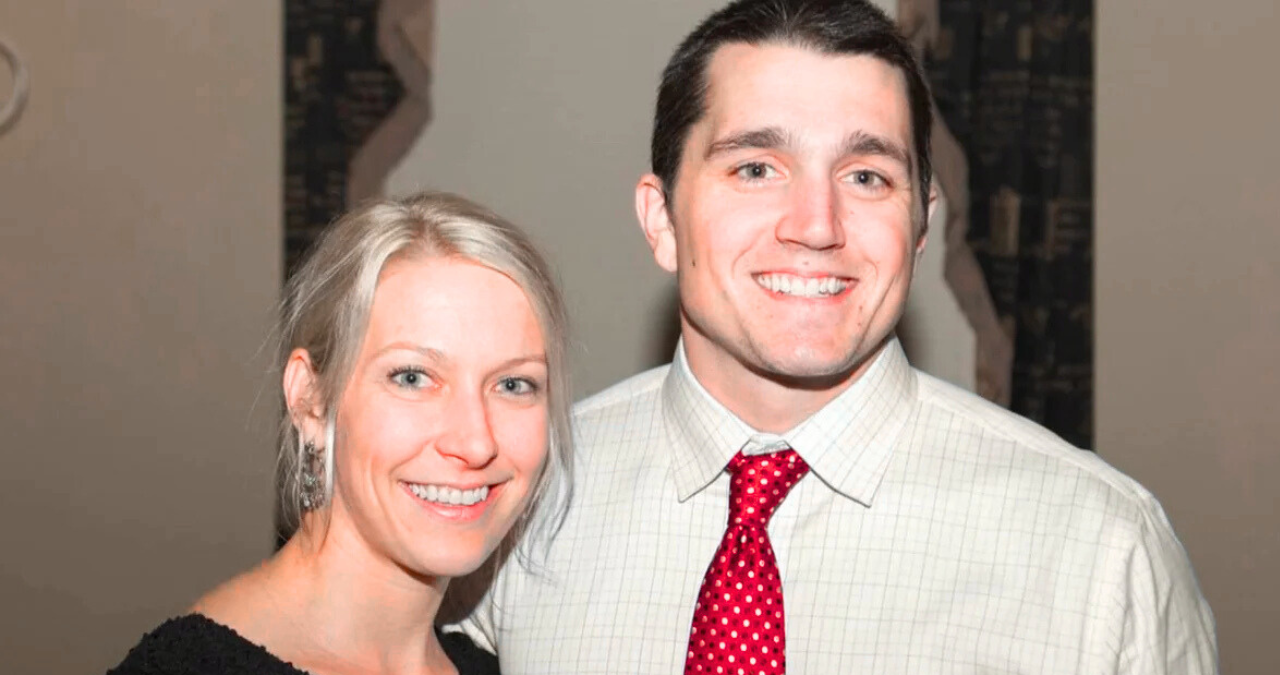
When someone hears the name Tim Bliefnick, it is often alongside a sensational headline: a murder, a former game-show contestant, strange clues, and a courtroom drama. The documentary coverage of his case takes these raw components and weaves them into a story that’s both disturbing and oddly human. We first encounter Becky Bliefnick, a devoted mother and nurse, and then the looming figure of her estranged husband, Tim. The documentary unravels how their relationship deteriorated, how the law stepped in, and how a seemingly normal life fractured into suspicion and loss.
At the heart of the narrative is a question many documentaries ask: how did something that began with promise go so wrong? The Bliefnick story is more than just the act of murder: it’s about relationship dynamics, social expectations, technology in investigations, and the way the public perceives innocence and guilt. The documentary makes you sit up, not just because of the crime, but because of the layers behind it the jokes, the game show appearance, the divorce, the unanswered questions. For viewers, the documentary offers a mirror: how well do we know people we think we know?
Who is Tim Bliefnick?
Tim Bliefnick wasn’t born evil and didn’t emerge from nowhere. Before the headlines, he was an everyday person: someone who went to college, got married, and appeared on the game show Family Feud. That appearance, where his answer to “What was your biggest mistake at your wedding?” was jokingly “Honey, I love you, but said, ‘I do!’” became a chilling piece of, in hindsight, foreshadowing. At the time, it was comedic. In the documentary, it’s used as a narrative hinge.
The documentary takes the viewer through Tim’s background: his upbringing, his personality, and his marriage to Becky. It shows how he projected one image to the world funny, outgoing, a bit of a joker while behind the scenes tensions grew. The divorce, the restraining-order filings, the investigations all build a complex, messy portrait of a man whose life might not have been what it seemed. The documentary doesn’t shy from showing his side: his interviews, his claims of innocence, his version of events. The goal isn’t to convince you either way, but to let you sit with the contradictions.
The Victim: Becky Bliefnick
No matter how compelling the murderer’s perspective, documentaries about murder must never lose sight of the victim. In this case, that’s Becky Bliefnick a 41-year-old mother of three, a nurse, someone described by friends and family as warm-hearted, lively, and involved in her community. Her story gives the documentary its emotional core. You sense the horror of the loss, the emptiness left behind, and the human cost of the crime.
The documentary uses footage, interviews with her family, and reconstructions to show Becky not just as a murder victim, but as a person with hopes, routines, and children. It’s not sensational in a cheap way; it tries to ground the viewer in the reality of her life so that the crime becomes more than a statistic. That approach lets the audience feel the gravity of what happened to Becky, her kids, and her circle. It underscores that while the murderer might dominate the headlines, Becky’s story is equally urgent.
The Crime and Investigation
The documentary sets out the timeline of the crime in methodical fashion. On February 23, 2023, Becky was found shot 14 times in her home in Quincy, Illinois. The intruder had entered through a second-floor bedroom window. A neighbor’s camera showed a figure walking, and another camera caught a person on a bike without reflectors near the scene. The investigation had no straightforward “smoking gun.” What made it compelling was the accumulation of circumstantial evidence: the bike, the searches on Tim’s computer, the shell casings in his basement.
This becomes a detective story in the documentary: how small clues, when pieced together, unravel a mystery. Viewers see the tension between the known and the unknown. The investigators had to build a case without a clear murder weapon. The documentary doesn’t shy from this: it shows the professionals saying, “This is different than any homicide we’ve ever had.” In doing so, the story raises broader questions about how justice works when crime scenes are messy and evidence is imperfect.
The Game Show Moment and Public Awareness
One of the more unusual angles the documentary emphasises is the clip from Tim’s appearance on Family Feud. His joke answer: “Honey, I love you, but said ‘I do!’” became a viral piece of trivia once the murder unfolded. The documentary uses this to illustrate how public perception and media narratives can play a big role in how a case is told.
The game-show moment becomes more than a footnote it becomes symbolic. Viewers reflect on how jokes, on television, can be taken out of context and lay the groundwork for later suspicion. The documentary shows how the producers, network press, and local reporters pick up on that clip and how it influences the story’s framing. There’s a commentary there about how the media creates its heroes and villains, often before justice has run its course. It warns us to look at such moments critically, not just let them define someone’s character.
Documentary Structure and Narrative Techniques
From a filmmaking perspective, the documentary about Tim Bliefnick is structured to maximise tension and emotional engagement. Early segments introduce the characters Tim and Becky then move into the inciting incident (the crime), then the investigation, the trial, the public narrative, and finally the aftermath and reflections. Each segment uses interviews, archival footage, surveillance clips, and reenactments to piece together the story.
The tone of the documentary is casual yet informed. It doesn’t rely on sensational music or over-the-top dramatization. Instead, it uses sober pacing, letting the evidence speak for itself. The documentary invites the viewer into the process of discovery: “Here’s what we know, here’s what we don’t know, here’s what investigators found, and here’s what Tim claims.” That approach helps maintain credibility and keeps the audience invested. For those who watch true-crime documentaries frequently, this one stands out for its clarity and restraint.
Legal Proceedings and the Trial
A major portion of the documentary is devoted to the legal side: the arrest of Tim Bliefnick, his charges, the trial, the evidence presented, and his eventual conviction. The documentary outlines how prosecutors built their case, how Tim’s defence counsel pushed back, and how certain pieces of evidence remained contested (for instance, the lack of a murder weapon). The tension of courtroom drama is present, but the documentary doesn’t sensationalize it.
Viewers also see how law, forensic science, and public opinion intersect. The documentary shows the procedural hurdles: search warrants, forensic analyses (shell casings, computer searches), surveillance video limitations, and witness testimony. One notable theme is how investigators looked at Tim’s online searches (“how to open my door with a crowbar”, “how to make a homemade pistol silencer”) and how that tied into the narrative. This portion of the documentary is especially useful for understanding how modern investigations integrate digital trails with physical evidence.
Themes and Underlying Issues
Beyond the specifics of the case, the documentary about Tim Bliefnick raises broader themes. One is the nature of domestic relationships and how control, resentment, and fear can evolve behind closed doors. The documentary interviews friends of Becky, who said she felt Tim was becoming more manipulative and controlling. Another is the role of technology in crime solving the surveillance cameras, the bike footage, the digital searches.
A third theme is about public perception, media framing, and how society treats men accused of violent crimes, especially in cases involving domestic partners. The inclusion of the game-show clip highlights how public moments can shift perception. The documentary subtly asks: How fair is the lens through which we judge people? Are we seeing a person, or a narrative built for dramatic consumption? Finally, the documentary touches on justice and closure how the victim’s family copes, how the community processes trauma, and what it means for a verdict to be reached when pain remains.
Impact and Viewer Takeaways
For viewers, the documentary succeeds in offering more than “another murder story.” It asks you to think, to reflect, to question. It invites you into the messy middle of a case, not just the beginning and the end. By doing so, it prompts reflection: on how well we know people, on the signs we might ignore, and on how justice sometimes depends on so many small threads coming together.
The impact of the documentary is twofold: emotionally, it brings empathy for Becky and her children; intellectually, it raises awareness of investigative challenges and media framing. For people interested in true-crime media, it also serves as a case study in how to tell such stories responsibly pointing out that sensationalism lowers the discourse. In all, the documentary about Tim Bliefnick is both sobering and instructive: a reminder that behind every case are lives, relationships, choices, and often, imponderable human dynamics.
Conclusion
In wrapping up, the documentary on Tim Bliefnick is significant not just for the crime it documents, but for how it is told and for what it asks of its audience. It balances the need to inform with the need to humanize. It underscores that in crime stories, the victim’s voice matters as much as the defendant’s, the context matters as much as the sensational moment, and the viewer’s role is not just to consume, but to reflect.
Whether you came to the documentary because of the sensational game-show moment, the legal intrigue, or simply because you care about true-crime stories done well, you’ll find that this one offers depth. It paints a portrait of a relationship gone wrong, a community in shock, and the painstaking process of justice. And, most importantly, it refuses to let the audience simply passively watch: it asks you to engage, to feel, to think. The story of Tim Bliefnick, as presented in the documentary, is cautionary, compelling and ultimately, human.